Top China Tours
- 8 Days China Highlights
- 8 Days Exploration of Natural Villages in Guizhou
- 8 Days Tibet Inspiring Tour to Mt. Everest Base Camp
- 9 Days Golden Triangle Tour
- 11 Days China Explorer & Cruise
- 12 Days China Signature Tour
- 14 Days China Dreamland Tour and Tibet Train Exploration
- 14 Days Imperial Cities Tour
- 14 Days Silk Road Adventure
- 18 Days China Dream Tour

- China :+86-20-37251788
- Skype: Hrctravel
-

- Email: booking@chinatourguide.com
5 Easy Booking Steps
- Send inquiry
-

- Get answer within 24 hours
-
- Make changes for free
-
- Agree to the final proposal
-
- Arrange Payment
Home >> China Tours >> China Discovery Tours
25 days Silk Road Adventure
From
$
$

- Duration:
- Destinations:
- Departure date:
- Availability:
- Tour Code: CTG-SR04
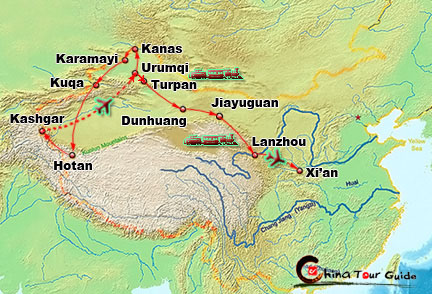 Travel Route of 25 Days Silk Road Adventure
-
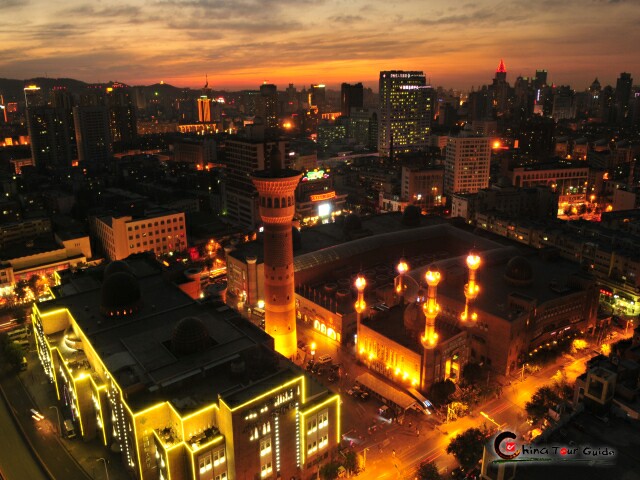 Nighview of Urumqi
 -
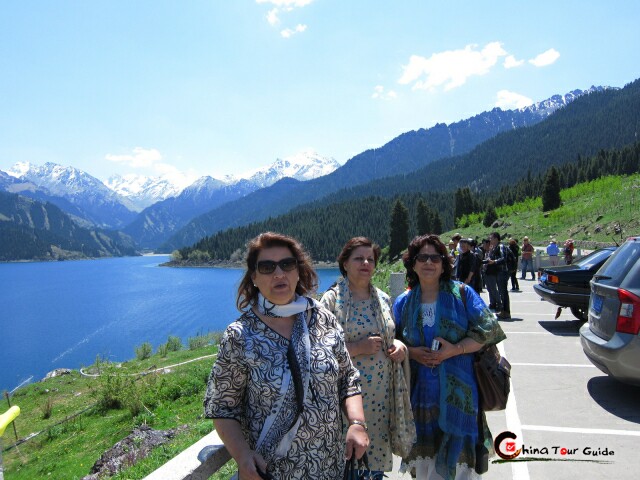 Customers near Heavenly Lake, Urumqi
 -
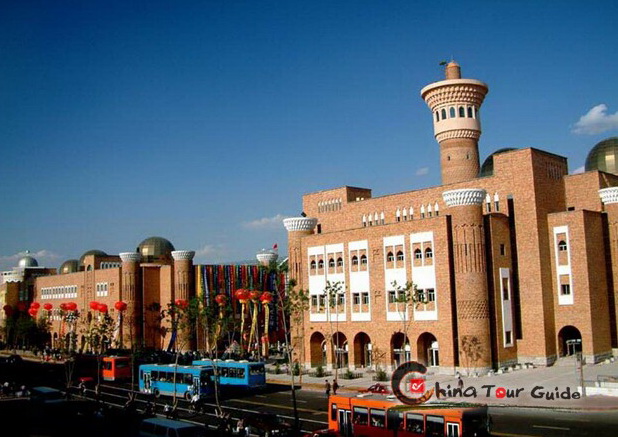 International Grand Bazaar, Urumqi
 -
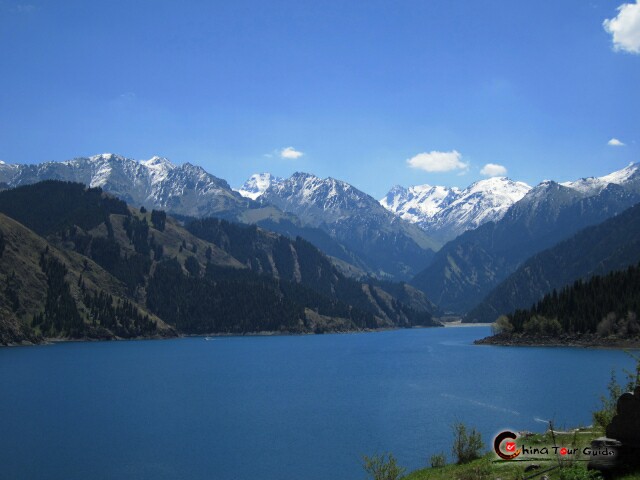 Heavenly Lake, Urumqi
 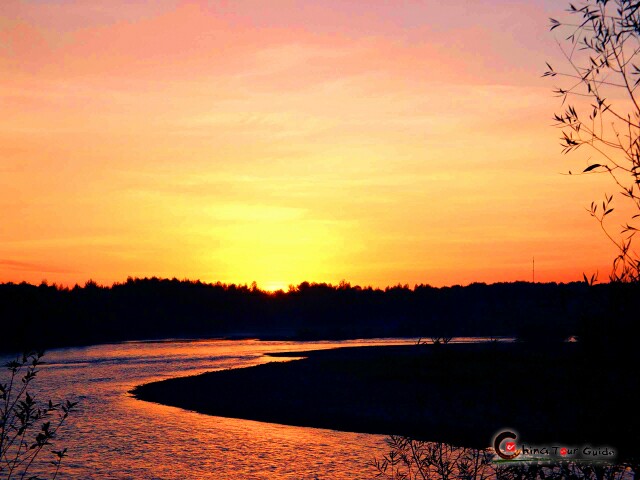 Kanas Lake in Sunrise, Aletai
-
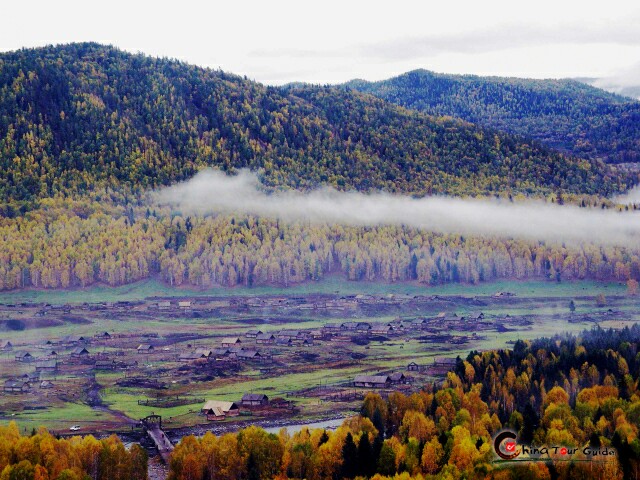 Picturesque View of Hemu Village, Aletai
 -
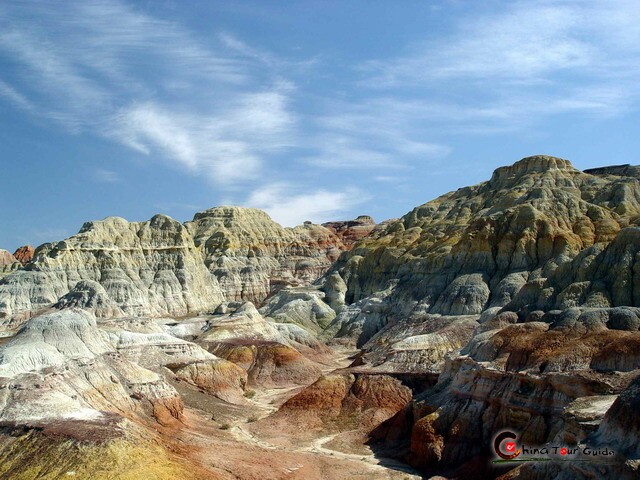 Kanas Scenery, Xinjiang
 -
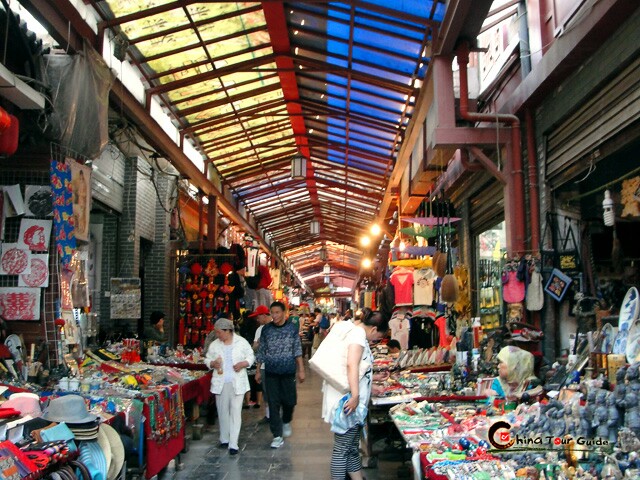
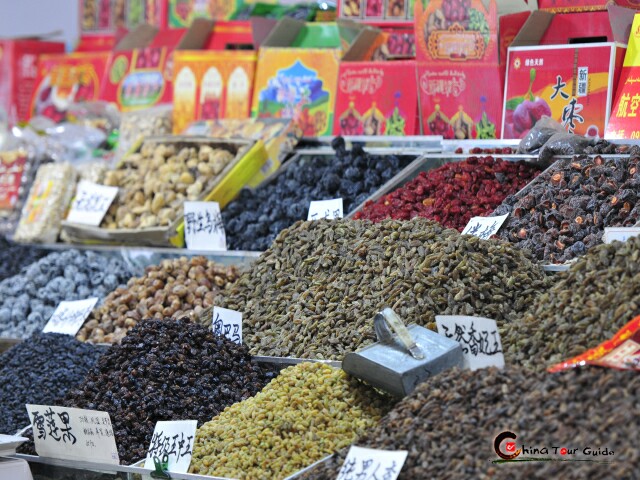 Local Products at Xinjiang Bazaar
 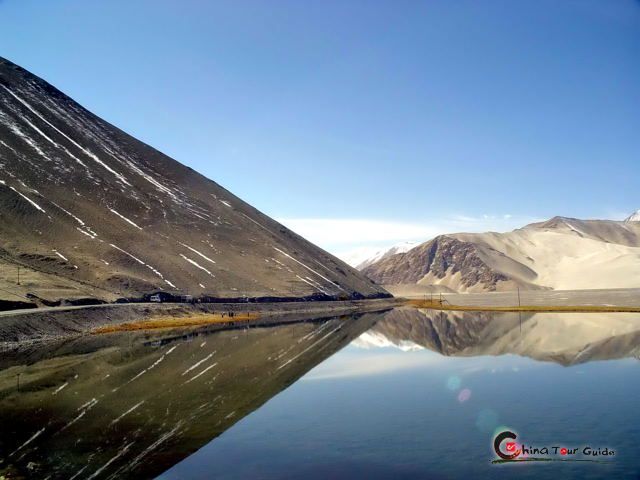 Karakul Lake, Kashgar
-
 Camelus Bactrianus
 -
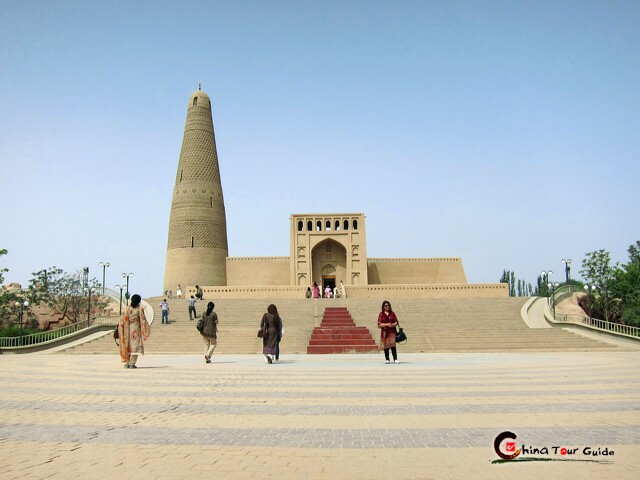 Emin Minaret, Trupan
 -
 Visitors Having a Rest in Emin Minaret
 -
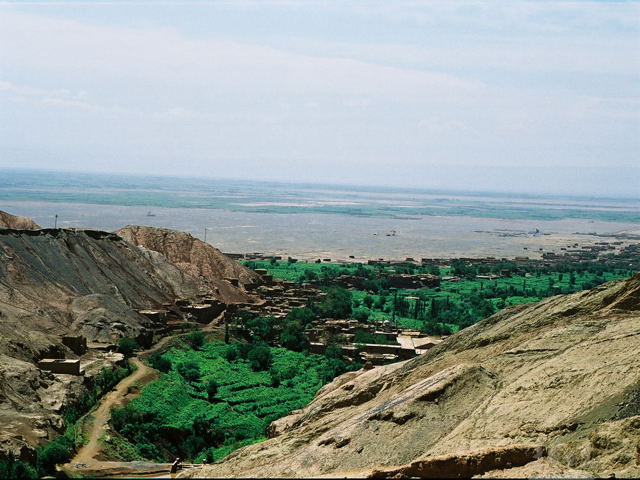 Tuyu Valley, Turpan
 -
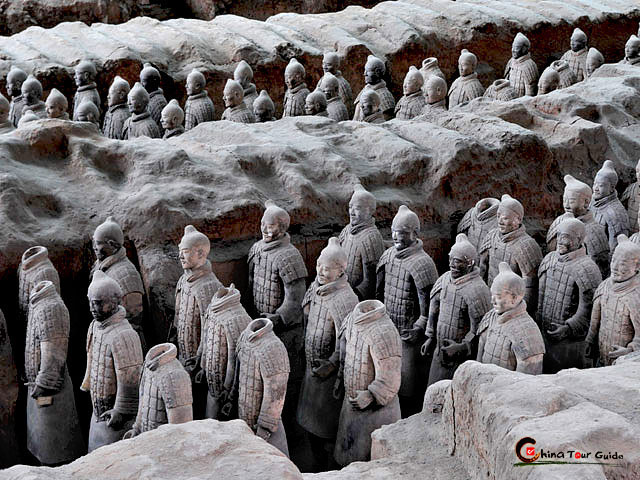
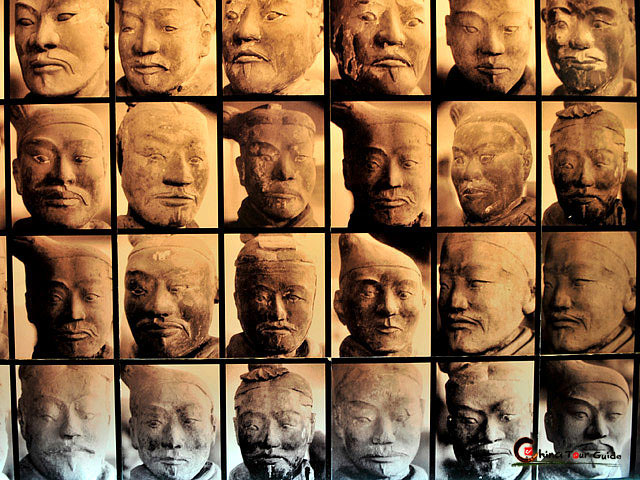 Terracotta Warriors Expression, Xi'an
 -
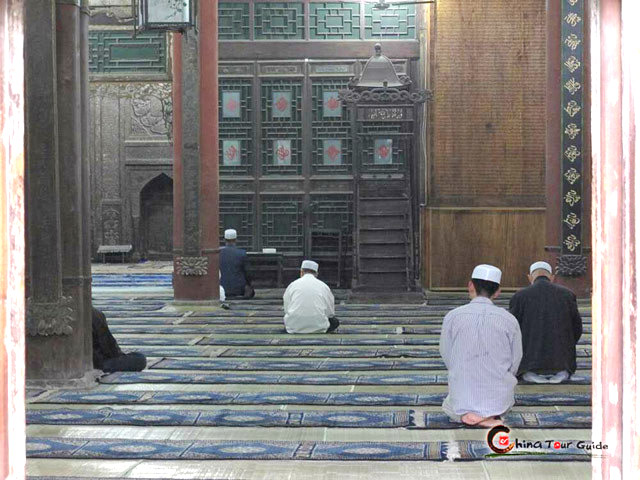
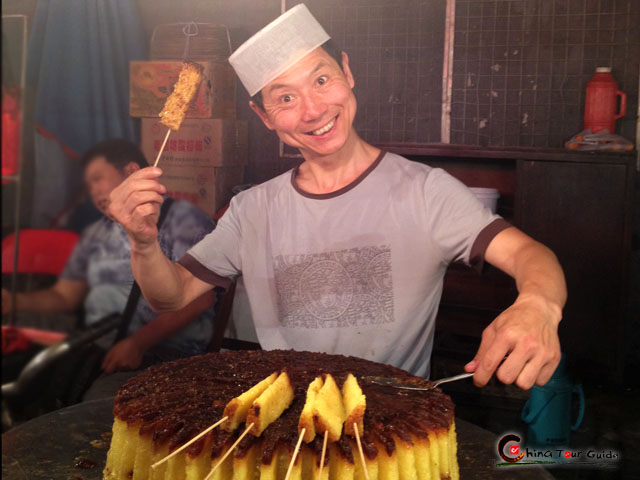 Joyous Muslism Quarter Vendors Welcome You, Xian
Tour Description

Following the mysterious and historical ancient trade route, through rugged landscapes to distant cities that are quite different from the eastern metropolises, you will catch a glimpse of how east and west met hundreds of years ago.
Unveil the Silk Road mystery - Heavenly Lake, Urho Ghost Castle, Mogao Caves, Ancient City of Mallikurwatur
Experience ethic custom and life - International Grand Bazaar, Hemu Village & Jiaohe Ancient Ruins
Visit the highlights of Xi'an - Terracotta Warriors, Ancient City Wall, Great Mosque and Muslim Quarter
Day 1 Arrive in Urumqi: Pick-up and Check-in
| Today's Activities | Upon arrival in Urumqi, you'll be met at the airport or train station, and transferred to hotel for check-in.
|
||||||||||||||||
| Highlights |
|
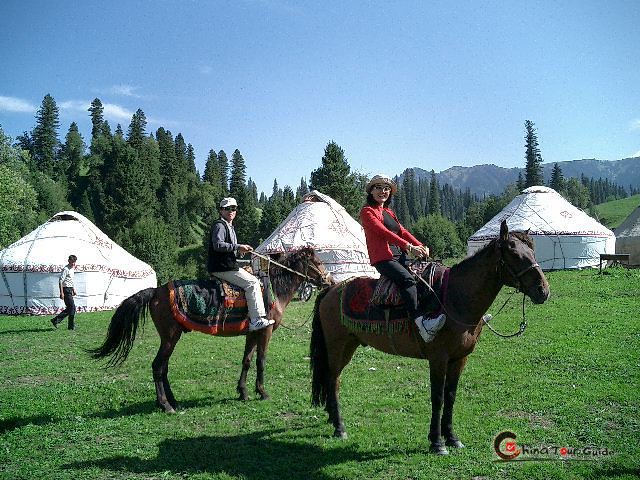

Day 2 Urumqi ( Breakfast, Lunch )
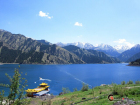
| Today's Activities | After breakfast, drive about 2 hours to Tianshan Mountain Scenic Area, take cable car to the Heavenly Lake, and also have a boat ride on the lake. Around the lake, be lost in the ultimate scenery of seas of pine and the Bogda Peak in the far distance. Later of the day, drive back to hotel. |
||||||||||||||||
| Highlights |
|
Day 3 Urumqi - Aletai - Kanas - Jia Dengyu ( Breakfast, Lunch ) Transfer by Air
Today's Activities |
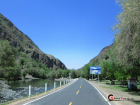
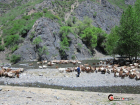
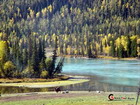
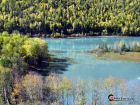
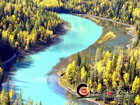
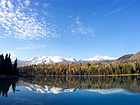
Early flight to Aletai Prefecture, and then drive about 260 km to visit Kanas Lake, a long bean-shaped lake reflecting the surrounding snowcapped mountains.Wolong Bay (Crouching Dragon Bay), Fairy Bay and Moon Bay, along with Kanas Lake, allure many photographers each year. Virgin forests and flowery grasslands combined with clear green water make the whole area a paradise. Just take out your camera. Don't miss the great chance to shoot! Overnight in Jia Dengyu. |
||||||||||||||||
Travel Tips |
1. Highly recommend Kanas visitors to take long-sleeved jacket even in summer due to the great temperature difference between day and night and unpredictable change in weather, with frequent rain. |
||||||||||||||||
| Highlights |
|
Day 4 Jia Dengyu - Kanas - Hemu - Burqin ( Breakfast, Lunch)
Today's Activities |
After breakfast, immerse yourself in the Kanas Scenic Area. You can climb up to the Guan Yu Pavilion (Watching fish Pavilion) to take a bird-eye view of the lake landscape. Perched atop a mountain and opposite to the Kanas Lake, the Guan Yu Pavilion is the best place to get a panoramic view of the Kanas scenic area. Then pay a visit to the home of Tuwa minorities.
|
||||||||||||||||
| Travel Tips |
Please prepare a pair of shoes with high quality. When arrive at Kanas Scenic Area, you will take shuttle bus to the mid of Halakaite Mountain, then climb up 1300 steps to the Guan Yu Pavilion. |
||||||||||||||||
| Highlights |
|
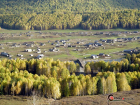
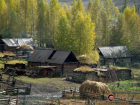
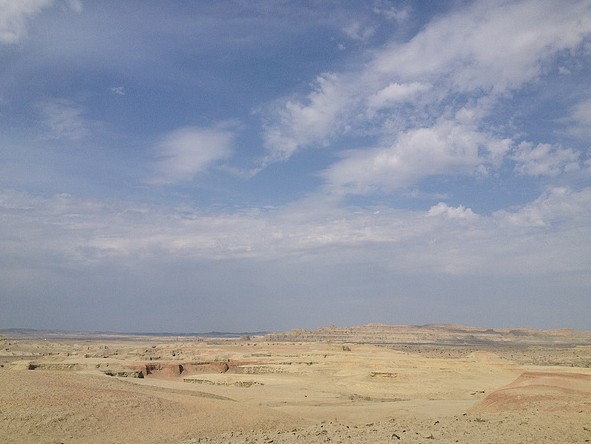
Day 5 Burqin - Karamayi - Jinghe ( 590km, 8 hours drive ) ( Breakfast, Lunch)
|
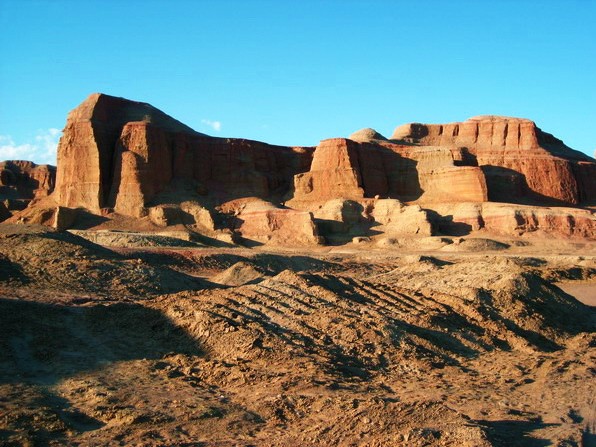
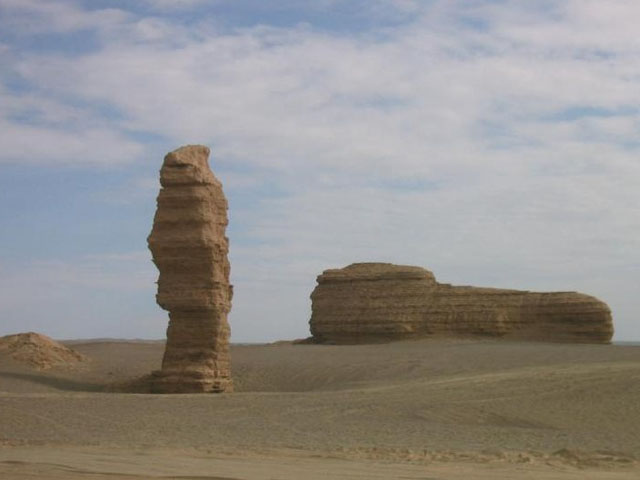
Day 6 Jinghe - Bayanbulak (520 km, 7 hours drive) ( Breakfast, Lunch)
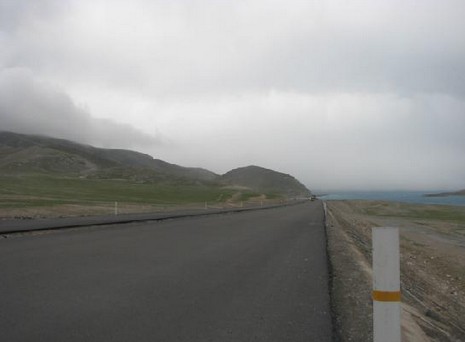
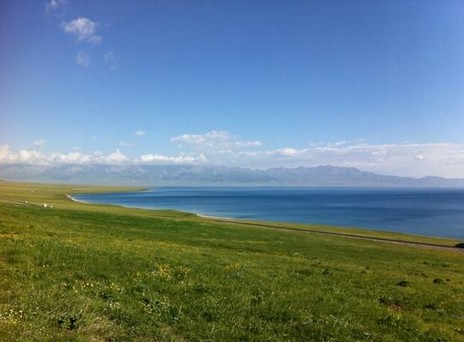
| Today's Activities | Depart from Jinghe County after breakfast, and drop by Sayram Lake on the way - the largest and highest alpine lake in Xinjiang, then move on westbound along the Guozigou winding road with picturesque alongside views. Arrive at Bayanbulak in late afternoon, and overnight there. |
||||||||||||||||
| Highlights |
|
Day 7 Bayanbulak ( Breakfast, Lunch )
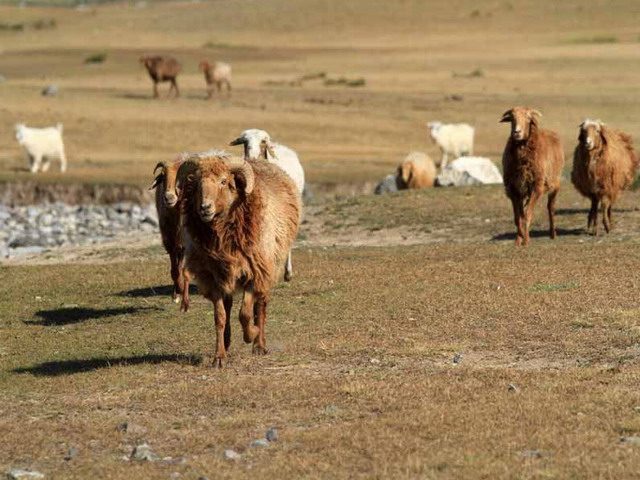
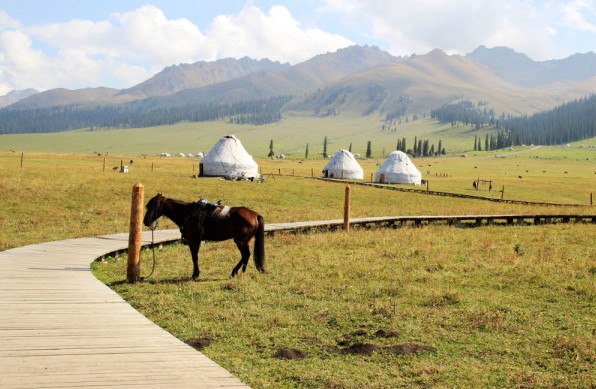
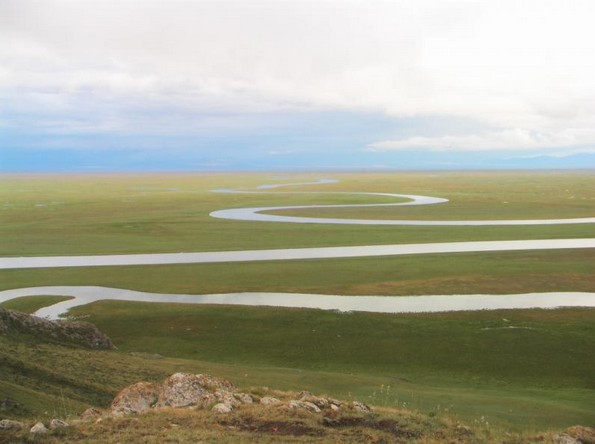
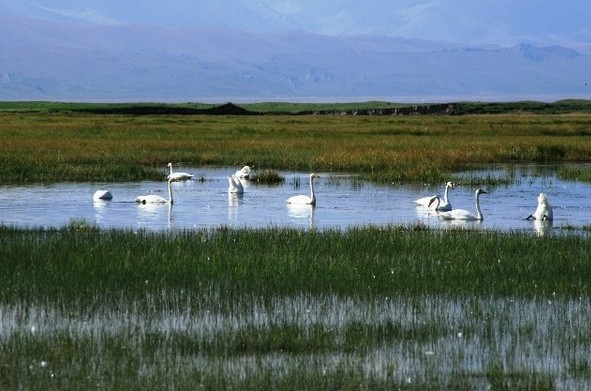
| Today's Activities | In the morning, drive to Bayanbulak Grassland. It is a great prairie boasting luxuriant verdant grass, numerous flocks of sheep and varied plants, which give you the charming scenery beyond the Great Wall. You'll have a glimpse of the Kaidu River, the source of the largest inland freshwater lake( Bosten Lake ). Followed up is the Swan Lake – the only nature reserve for swans in China. Under the sun, flying swans, glittering lakes, surrounding peaks and clouds altogether create a picturesque and breathtaking view. Overnight at the hotel of Bayanbulak County. |
||||||||||||||||
| Highlights |
|
Day 8 Bayanbulak - Kuqa ( 280km, 4 hours drive) ( Breakfast, Lunch )
| Today's Activities | In the morning, drive about 4 hours to Kuqa County. In the afternoon, explore the Grand Kuqa Mosque. It was first built in the 16th century and restored in 1931 after being damaged by fire. The great praying hall, which can accommodate 1000 prayers, is supported by 88 pillars, embellished with carved designs and in many colors, a fine example of Uygur architecture. Then proceed to the Kizil Grotto. As one of the four largest Buddha grottos in China, it's the corridor of murals surpassing other existing caves in China in its abundance in content, quantity and long duration. Overnight in Kuqu County. |
||||||||||||||||
| Travel Tips |
Please don't speak loudly during your visiting of the Grand Kuqa Mosque . If come across the Muslim worship, do not walk to the front. Photograph inside the mosque is prohibited. |
||||||||||||||||
| Highlights |
|
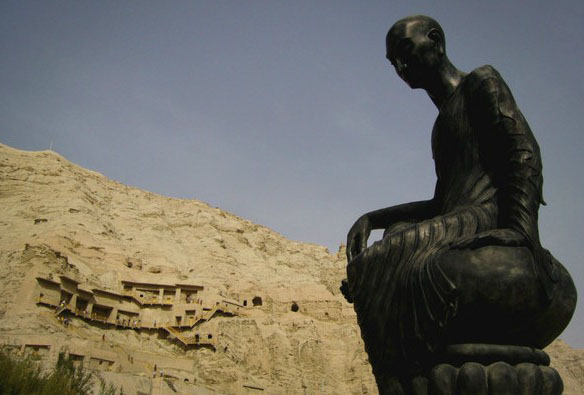
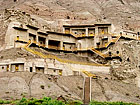
Day 9 Kuqa ( Breakfast, Lunch )
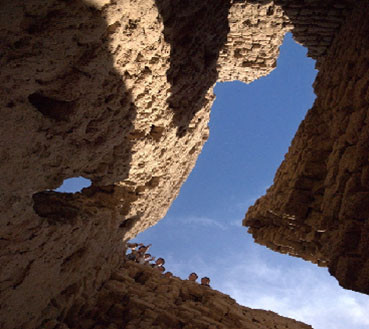
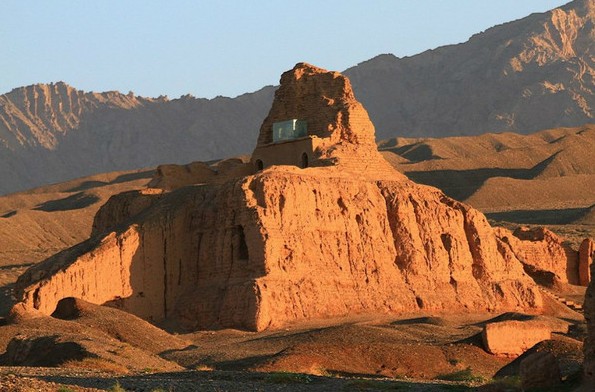
| Today's Activities | After breakfast, drive to Subashi Ruins, 23km northweat of Kuqa County. Subashi Ruins is a large-scale temple with splendid design including pagodas, main temple hall, monk's dormitory. You will be enriched about the historical changes of China's western regions, Buddhism culture and human civilization.
|
||||||||||||||||
| Highlights |
|
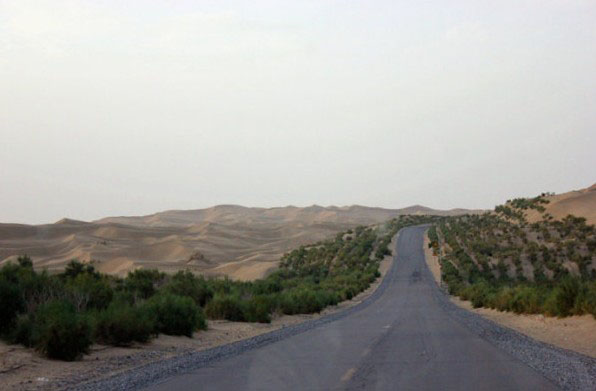
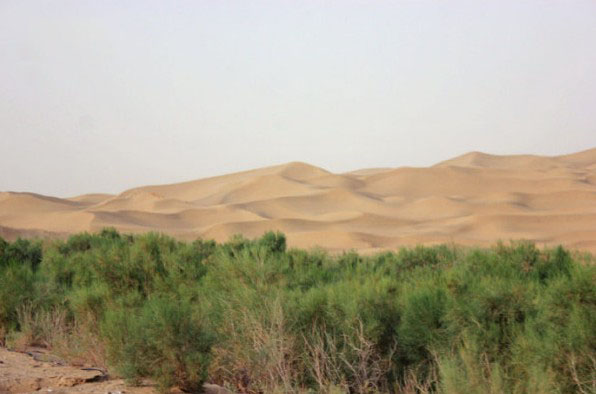
Day 10 Kuqa - Hotan (690km, 7 hours drive) ( Breakfast, Lunch )
| Today's Activities | Drive to Hotan City in the morning. En route, you can appreciate vast primeval wild poplar along the Desert Highway. Arrive at Hotan in late afternoon and overnight there. |
||||||||||||||||
| Travel Tips |
The 424-km Dersert Highway runs from Aral, a city in central Xinjiang, and ends in the Hotan City in the south of the region, traversing the Taklamakan Desert. Construction of the road began in June 2005 with an investment of 790 million yuan (105 million U.S. dollars). Around 180 km was built by the People's Armed Police Force. |
||||||||||||||||
| Highlights |
|
Day 11 Hotan ( Breakfast, Lunch )
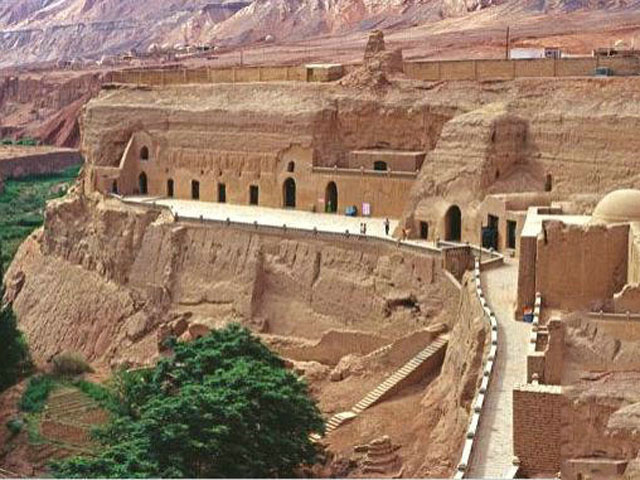
| Today's Activities | Today's sightseeing begins with the Ancient City of Mallikurwatur, located on the west bank of the Jade Dragon Kashgar River, about 25km south of Hotan. It's the ancient cultural hub of the southern Silk Road and also believed to the ancient city of the Yutian Kingdom although disputes claim it used to be a monastery compound. Ancient tombs and buildings, as well as three mysterious caves, with jade articles and pottery are worth of visiting in this ancient city. |
||||||||||||||||
| Highlights |
|
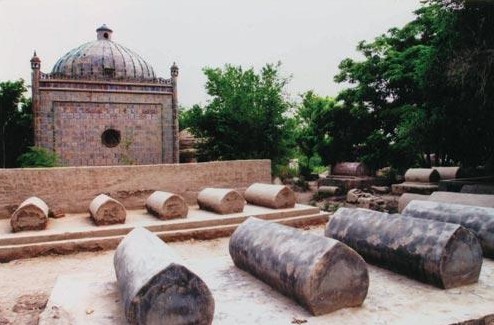
Day 12 Hotan - Shache (351km, 5.5 hours drive)
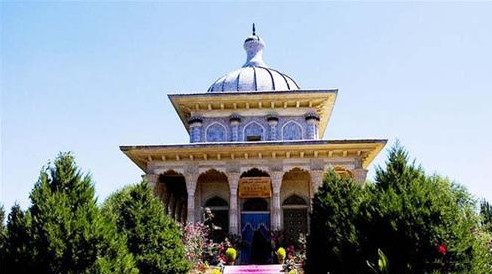
| Today's Activities | Head to Shache County by car after breakfast. Drop in the Tomb of the King Shache and and Omannisha Mausoleum on the way, well-known for their exquisite and splendid decoration . Overnight in Shache Hotel. |
||||||||||||||||
| Highlights |
|
Day 13 Shache - Kashgar (198km, 3.5 hours drive) ( Breakfast, Lunch )
| Today's Activities | Today, you'll be driven to Kashgar City after breakfast. The whole afternoon is up to you and you can have a good rest to erase your fatigue or hang out on your own. Overnight in Kashgar City. |
Day 14 Kashgar - Karakul Lake - Kashgar ( Breakfast, Lunch )
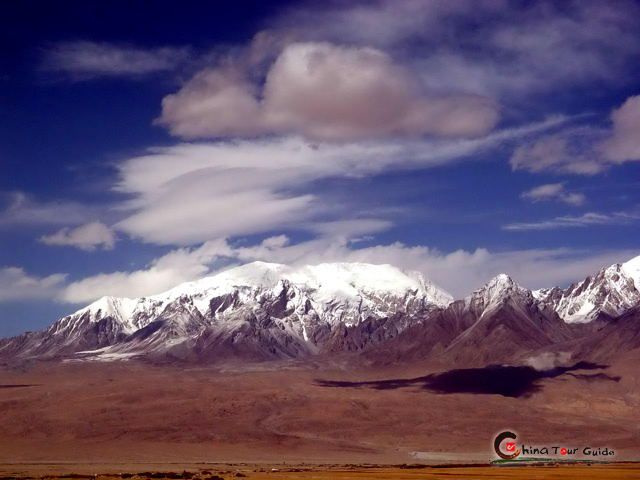
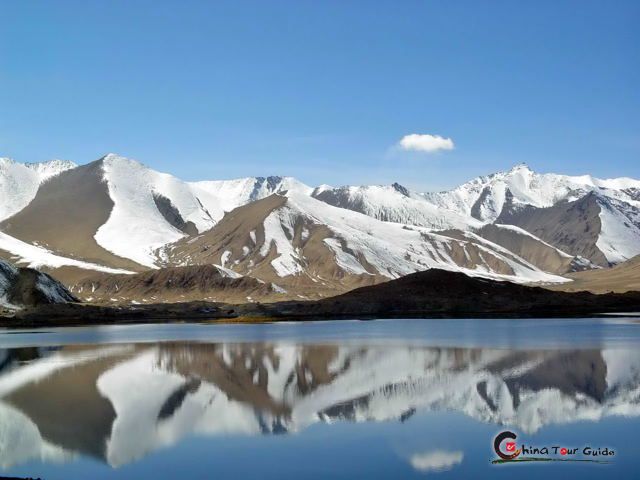
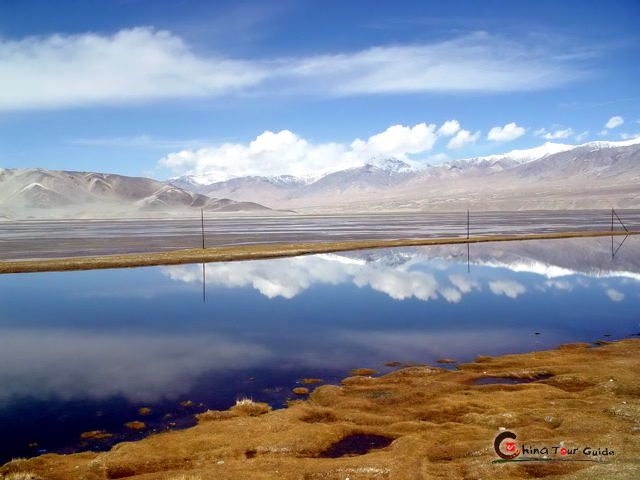
| Today's Activities | On this day, you'll be captivated by the fantastic scenery of the Karakul Lake. After breakfast, take a 4-hour drive to there. At an altitude of 3,600 meters, Karakul Lake is the highest lake of the Pamir plateau, near the junction of the Pamir, Tian Shan and Kunlun mountain ranges. Surrounded by mountains which remain snow-covered throughout the year, the three highest peaks visible from the lake are the Muztagh Ata (7,546 meters), Kongur Tagh (7,649 meters) and Kongur Tiube (7,530 meters). After the sightseeing, back to your hotel. |
||||||||||||||||
| Highlights |
|
Day 15 Kashgar - Urumqi Transfer by Air
| Today's Activities |
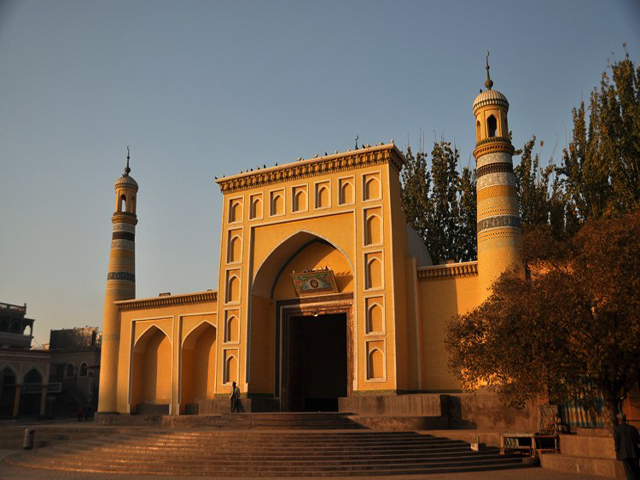
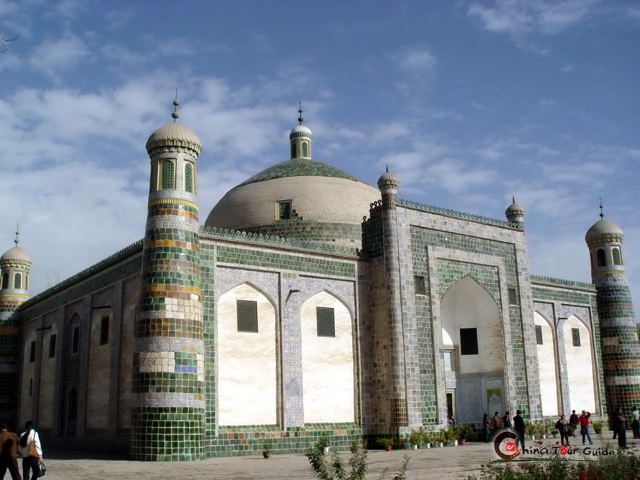
In the morning, discover the magnificent Id Kah Mosque. It's the largest of its kind in Xinjiang and also the center for the Islamic activities of the entire Xinjiang region. On special days or festivals, you can find different kinds of performances of singing and dancing by professional Uygur actors in shining Uygur costumes. Next stop is the Abakh Hoja Tomb, which features ancient Islamic building design. |
||||||||||||||||
| Highlights |
|
Day 16 Urumqi - Turpan ( 200km, 2hours drive ) ( Breakfast, Lunch )
| Today's Activities |
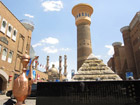
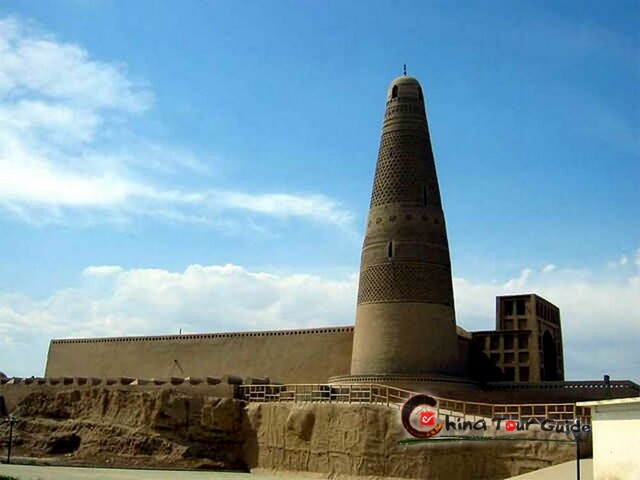
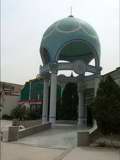
After breakfast, drive around 2 hours to Trupan. Visit the Emin Minaret, an elegant and circular Muslim pagoda built in 1778 in honor of a great Turpan general, Emin Khoja, and his great contribution to the unification of China. |
||||||||||||||||
| Highlights |
|
Day 17 Turpan - Dunhuang ( Breakfast, Lunch) Transfer by Overnight Train
| Today's Activities |
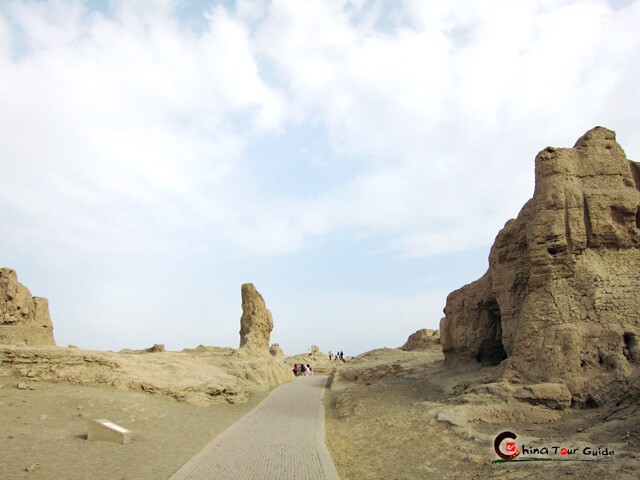
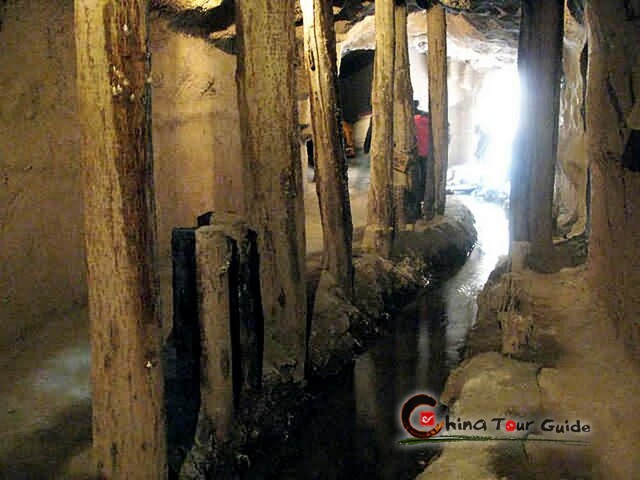
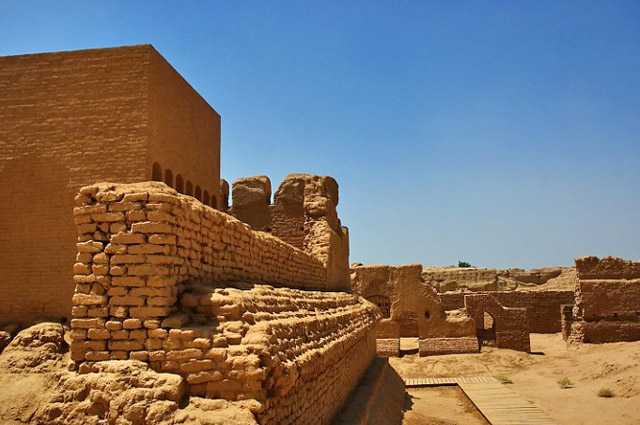
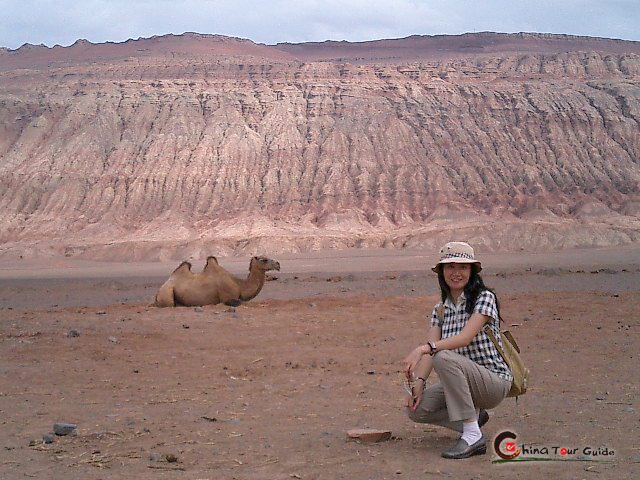
After breakfast, set out for the Gaochang Ancient Ruins. As one of the key points along the Silk Road, the ancient city of Goachang was also a sanctuary of world religious culture. You'll find that the ruins are made of mud walls including an outer wall, an inner wall and palace walls. The next visit is the Astana Graves, which served mainly as the cemetery of the descendents of Chinese settlers in Goachang in the past. The Tuyugou Valley, you head to later, is an ancient oasis-village in the Taklamakan desert and famous for its seedless grapes and a number of ancient Buddihist meditation caves nearby containing frescos. At the Tuyugou Valley, you can see the wonderful Flaming Mountains in the distance.
|
||||||||||||||||
| Highlights |
|
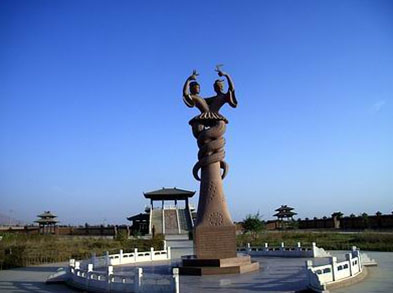
Day 18 Dunhuang ( Breakfast, Lunch )
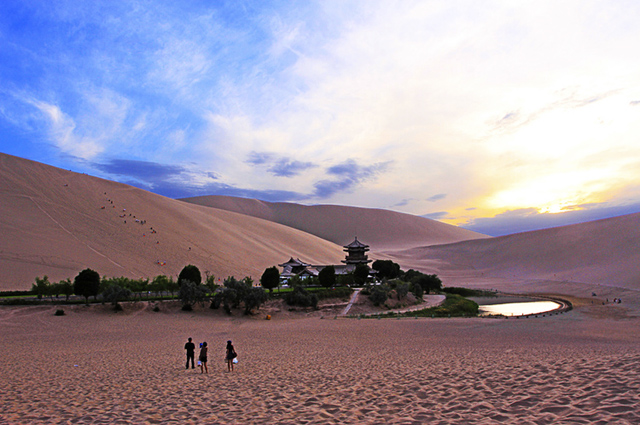
| Today's Activities | Start your Dunhuang Tour with visiting Mogao Caves, also named as the Caves of the Thousand Buddhas. It constitutes an outstanding example of a Buddhist rock art sanctuary, containing some of the finest examples of Buddhist art spanning a period of 1,000 years. Your exploration in the caves will be rewarded with awesome experience.
|
||||||||||||||||
| Highlights |
|
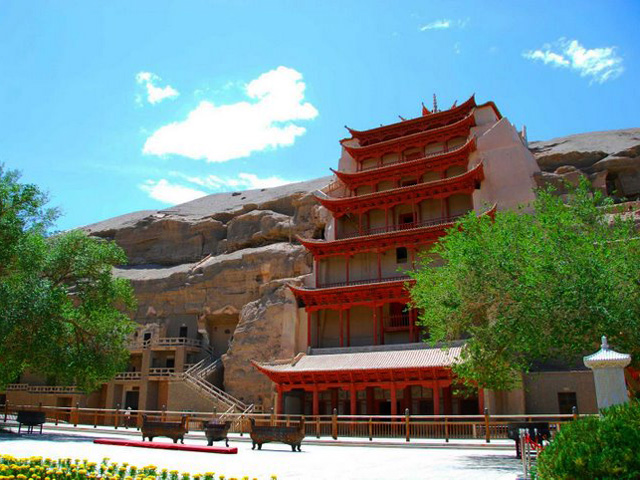
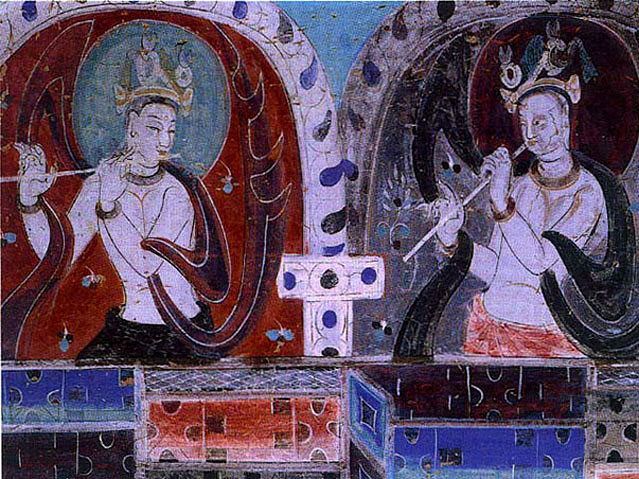
Day 19 Dunhuang - Jiayuguan( Breakfast, Lunch )
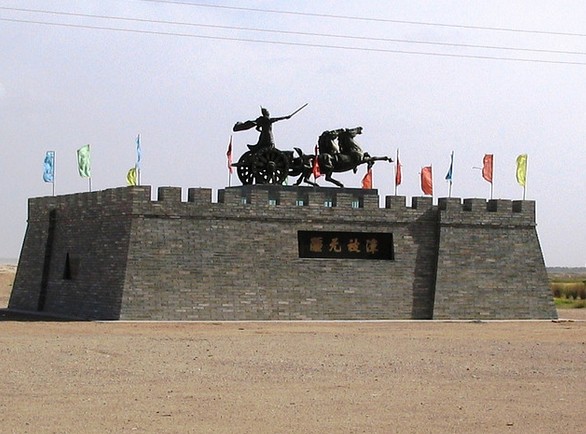
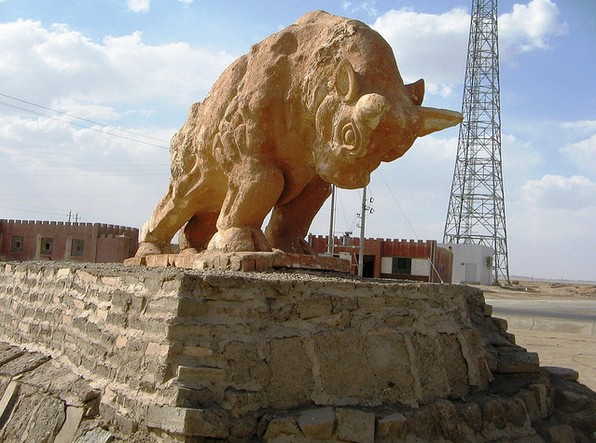
| Today's Activities | Drive to Jiayuguan after breakfast. En route, visit the Qiaowan Ancient City, where you can find treasured statues made from ivory, human-skin-made drum, and the exhibition of animals and plants specimens from the natural reserve of the extremely dry desert area. Also pay a visit to the Qiaowan Museum next to Qiaowan Ancient City, a museum by highway, displaying specimens of wild animals and plants, dried-up corpse and and over 80 valuable cultural relics,. |
||||||||||||||||
| Highlights |
|
Day 20 Jiayuguan - Lanzhou ( Breakfast, Lunch ) Transfer by Overnight Train
| Today's Activities |
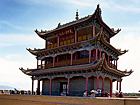
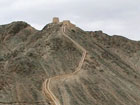
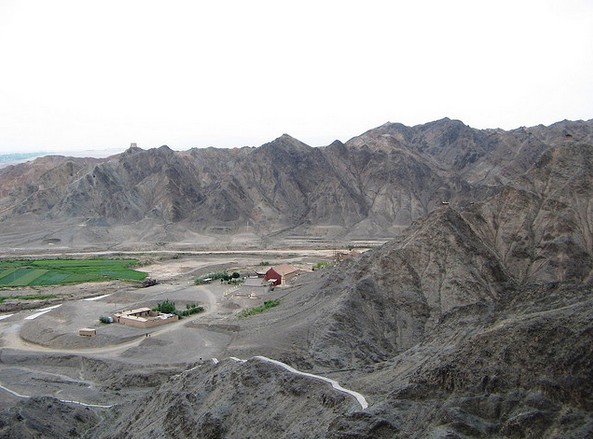
A whole day tour around Jiayuguan Pass . It is the most western end of the Great Wall and well preserved with majestic buildings. Its architectural complex is magnificently exquisite. The towers and pavilions enjoys a classic beauty and grandeur with their roofs upturned at the end of the ridges. Overhanging Great Wall is an extended part of the Jiayuguan Pass, winding through the Gobi dessert to a steep mountain. The wall seems to hang over the cliff, hence its name.
|
||||||||||||||||
| Highlights |
|
Day 21 Lanzhou - Xiahe ( Breakfast, Lunch )
| Today's Activities |
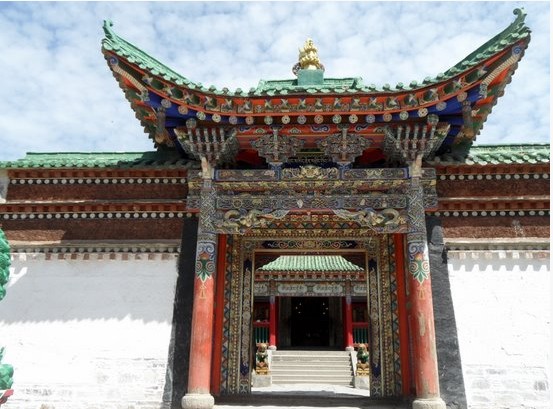
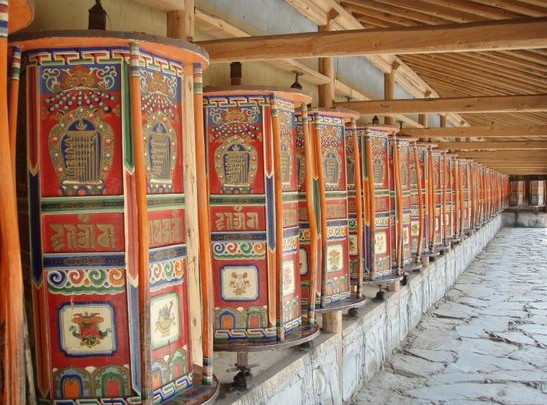
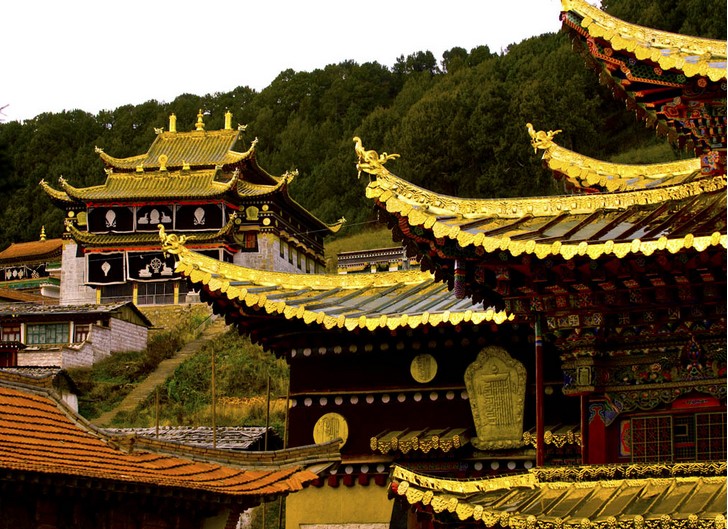
Pick-up at Lanzhou railway station, and drive to Xiahe for visiting Labrang Monastery. Overnight in Xiahe. |
||||||||||||||||
| Highlights |
|
Day 22 Xiahe - Lanzhou ( Breakfast, Lunch )
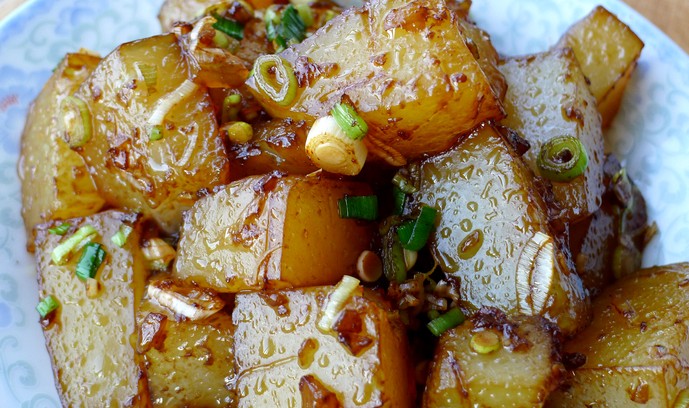
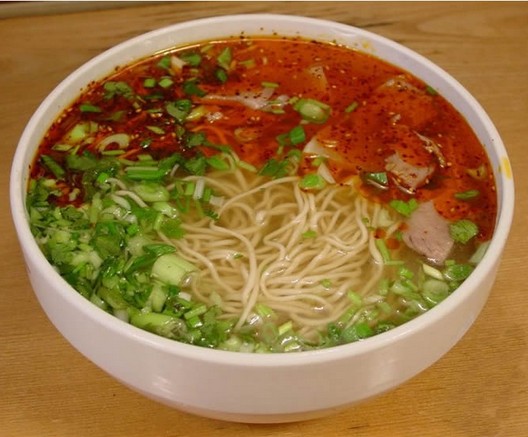
| Today's Activities | Today you'll drive back to Lanzhou, and the rest of the day is up to you to have a rest or hang out by yourself. Overnight in Lanzhou. |
||||||||||||||||
| Highlights |
|
Day 23 Lanzhou - Xi'an ( Breakfast, Lunch ) Transfer by Air
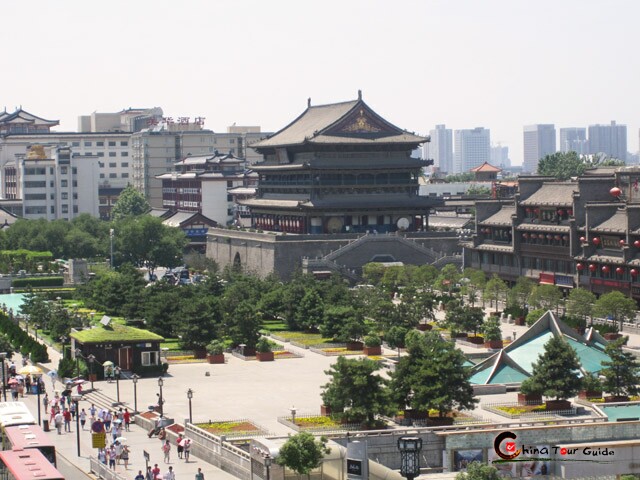
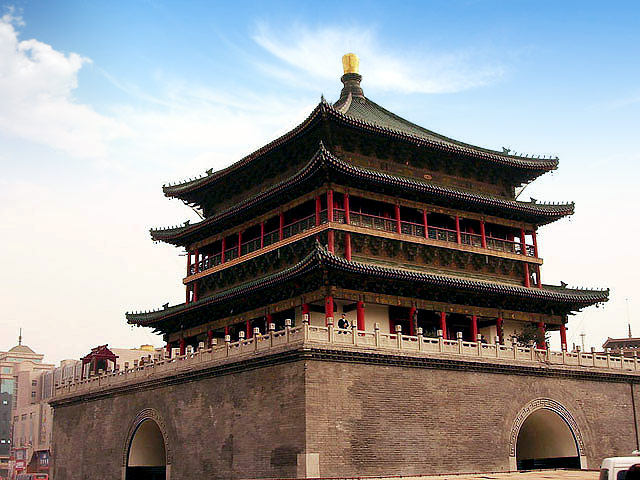
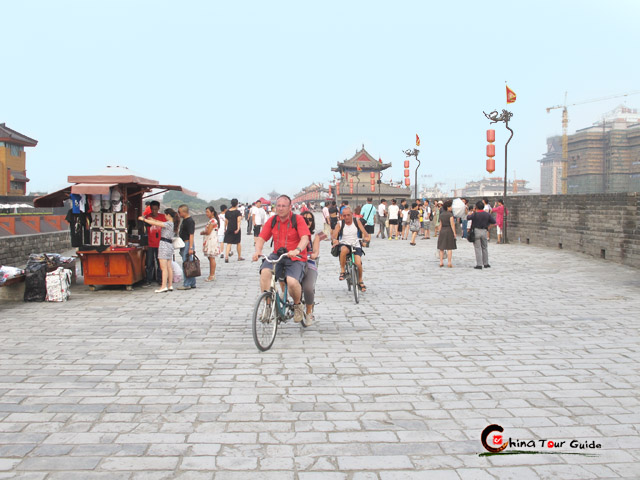
| Today's Activities | Transfer to the airport for your flight to Xian. Picked up and escorted to the hotel in Xian, and then visit Bell Tower. Built in 1384 A.D, the Bell Tower boasts a history of over 600 years. Even today you can find the Big Iron Bell erecting in the Bell Tower, which was made in Ming Dynasty, 2,500 kilograms in weight. Then stroll at the Ancient City Wall, and you can have a panoramic view of Xi'an City. |
||||||||||||||||
| Highlights |
|
Day 24 Xi'an ( Breakfast )
| Today's Activities | Today you will first head for the world-famous Terracotta Warriors. Can you imagine what kind of feeling will it be when facing to thousands of terracotta warriors? I bet you have seen them on TV or in pictures now and then. Endured over 2,200 years, these life-like terracotta soldiers still stand in their position of guarding the Emperor Qin Shihuang. History carried by these silent guards is surely worth your reading.
|
||||||||||||||||
| Highlights |
|
Day 25 Depart Xi'an: See-off at airport ( Breakfast, Lunch )
| Today's Activities | This is the last day of your tour. Free time until transfer to the airport or train station for your next destination. We believe you will love China and keep forever memories about China in your whole life. |
Package Details
 Tour Package Includes: Tour Package Includes: |
|
 Dining: 22 breakfasts, 21 lunches; Dining: 22 breakfasts, 21 lunches; |
Admissions: Entrance fees to all scenic spots listed in itinerary |
| Train, Flight Tickets: all listed in itineraries; |
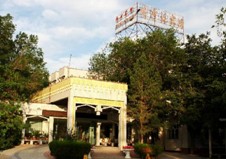
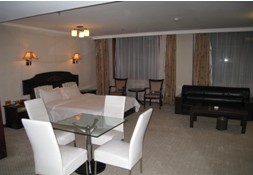
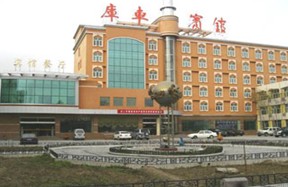
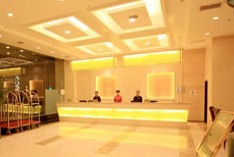
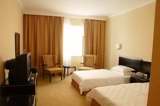
Hotels: accommodation in mentioned cities; |
| Tour Guide: Local experienced English-speaking guides |
Car Driver: Experienced licensed drivers |
| Vehicle: Private air-conditioned car, offering Round-trip transfers |
Luggage Transfers: A hand for your heavy luggage |
| Insurance: Travel Agencies Liability Insurance |
Government taxes & Service charges |
| Tour Package Excludes: |
|
| - Other optional attractions/ tours/ meals and international flights | - Tips for tour guides and drivers. |




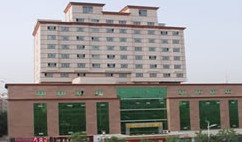
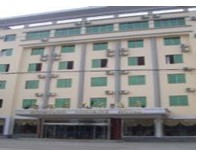
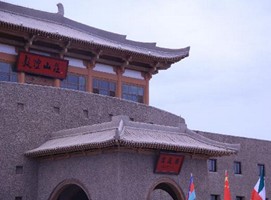



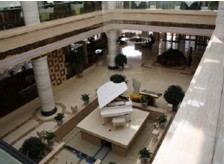
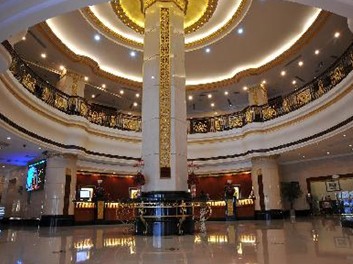
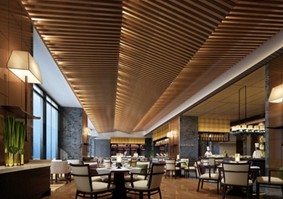
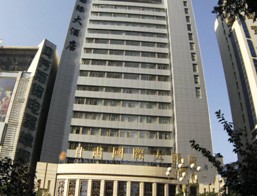
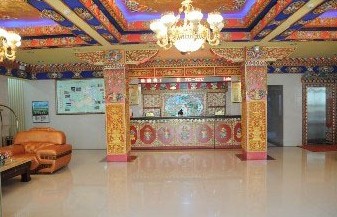
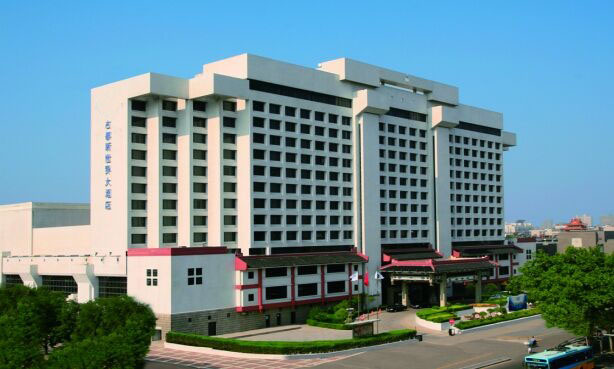
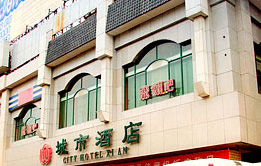
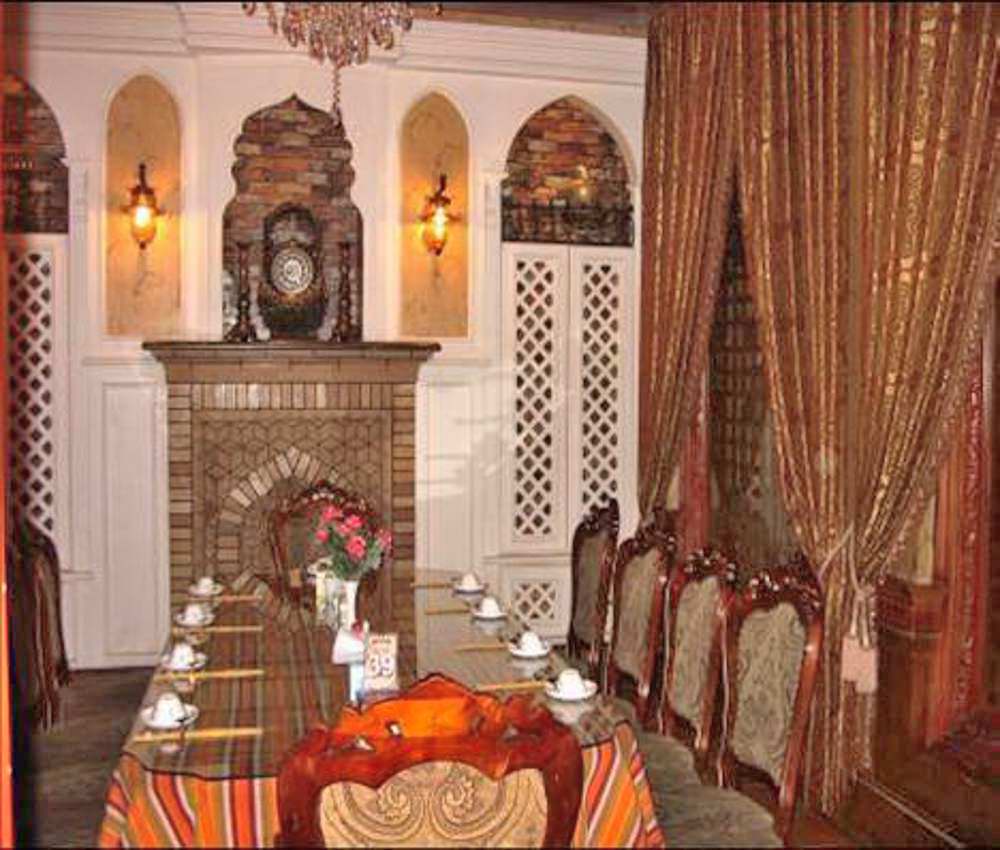
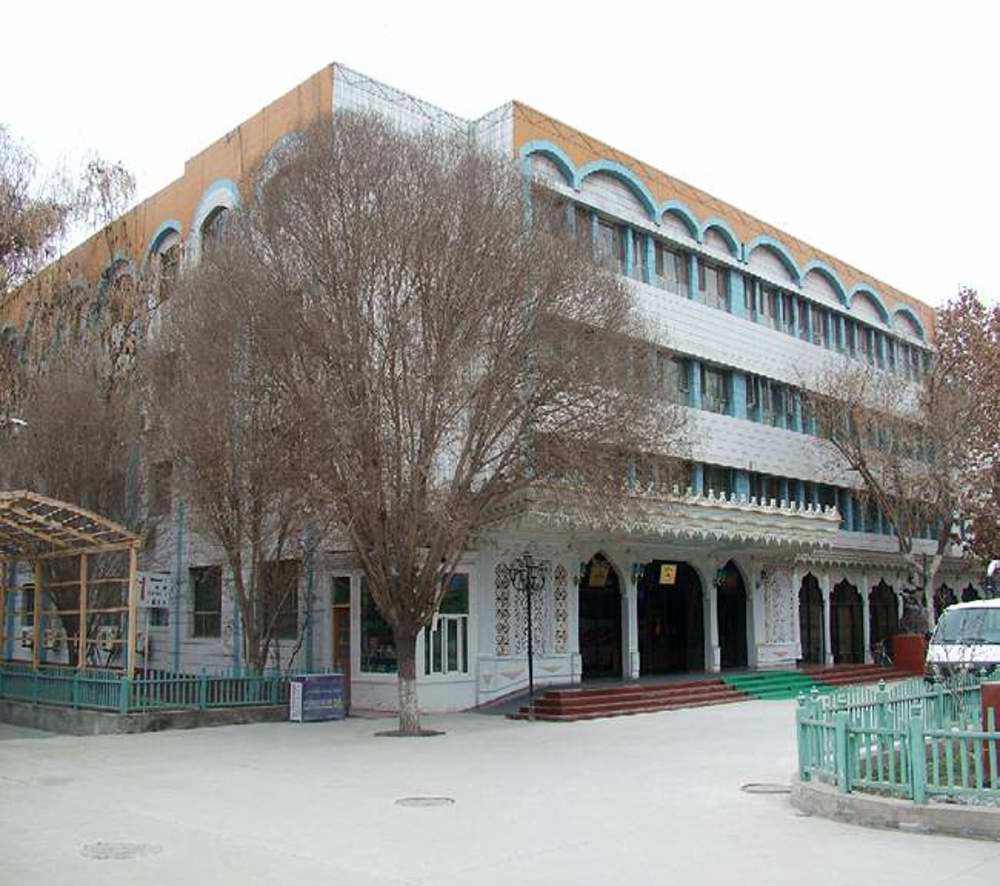
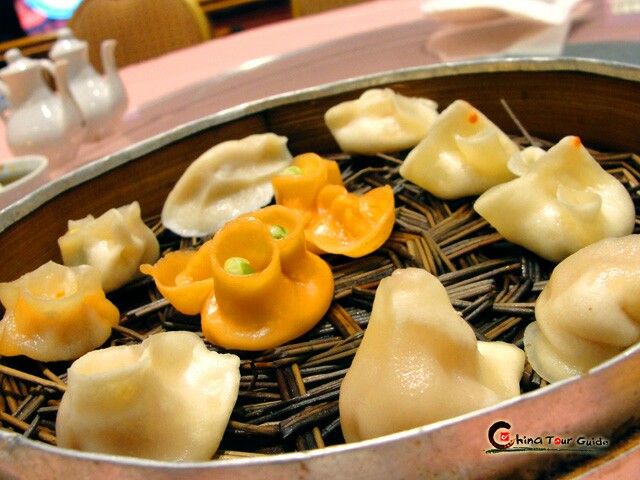
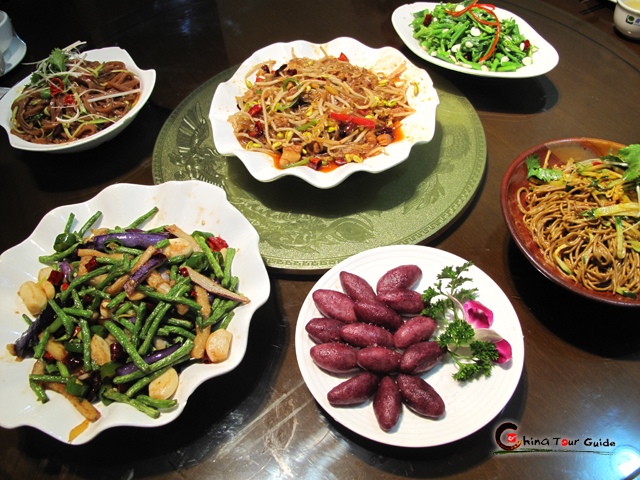
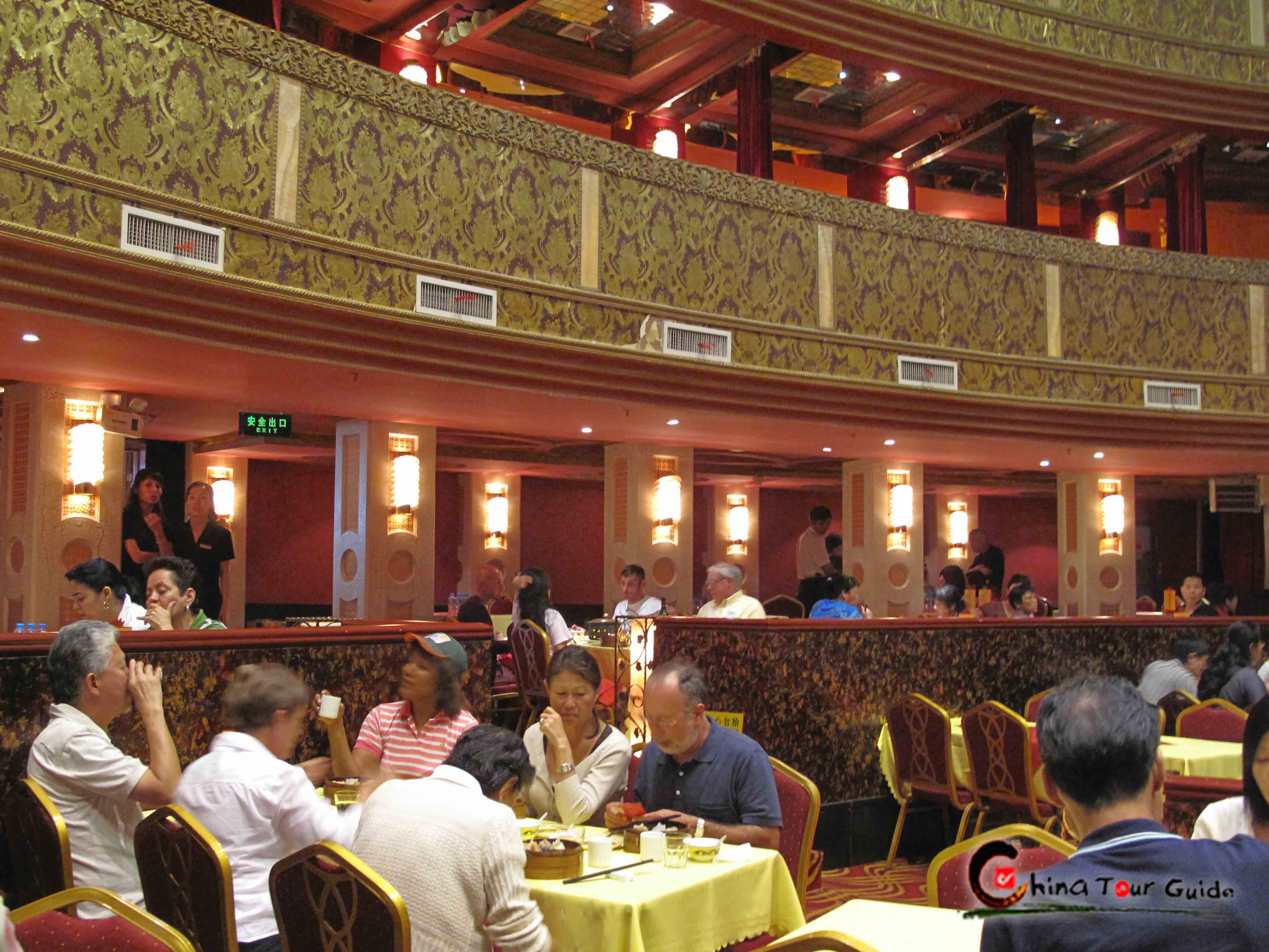
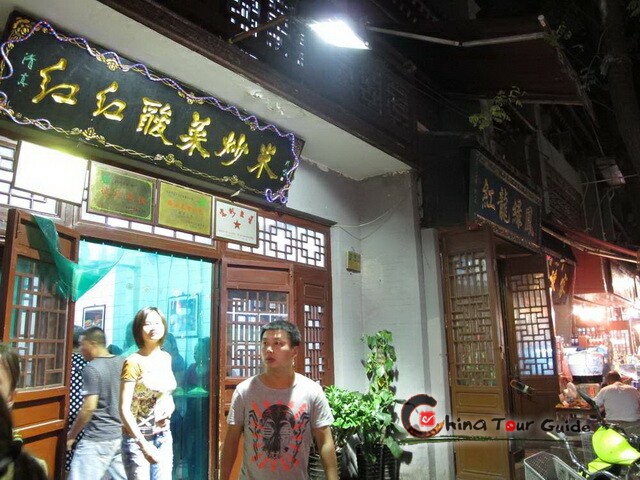
 Meals as mentioned in the itinerary include 22 breakfasts provided by the hotel and 21 lunches.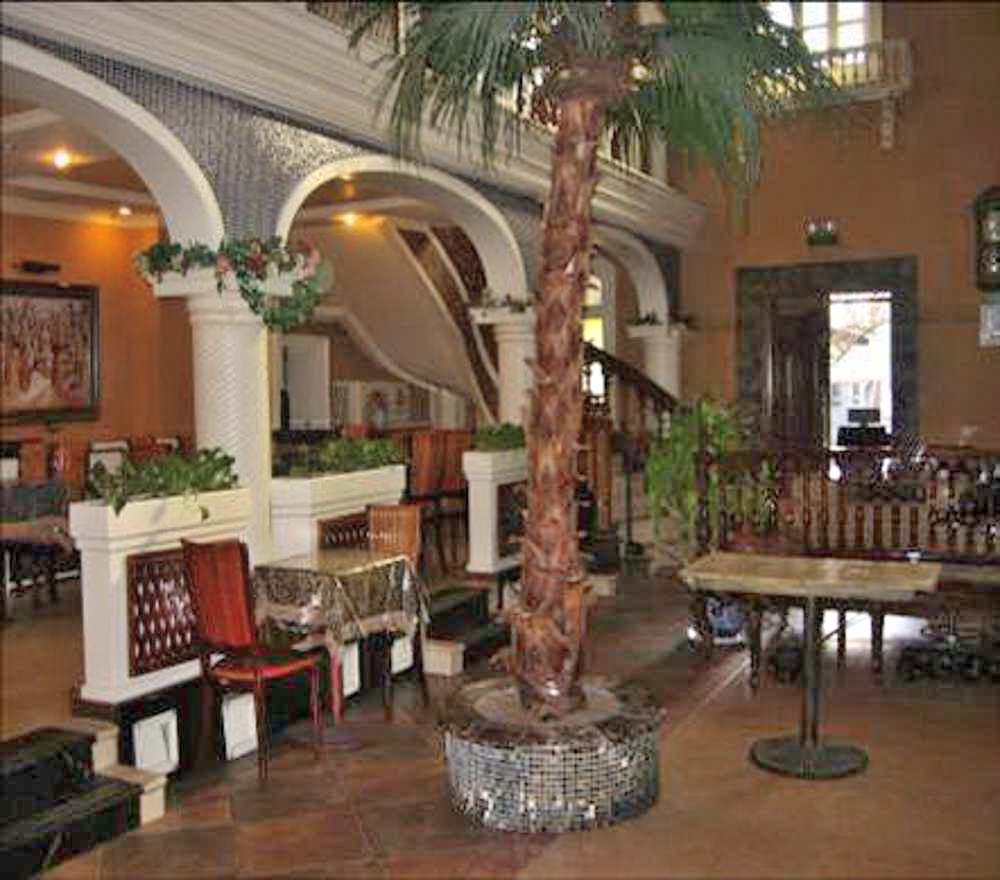
 ;
;
Your Add On:
Comments
Customer: Mr. Spinoglio
Destinations: Beijing - Urumqi - Turpan - Dunghuang - Xian - Shanghai
Related Tour: 14 Days Silk Road Adventure
Customer:Ms. Alhach
Destinations: Beijing-Xian-Guilin-Shanghai-Suzhou-Shanghai-Hong Kong
Related Tour: 12 Days China Discovery, 9 Days Essential China Tour