Top China Tours
- 8 Days China Highlights
- 8 Days Exploration of Natural Villages in Guizhou
- 8 Days Tibet Inspiring Tour to Mt. Everest Base Camp
- 9 Days Golden Triangle Tour
- 11 Days China Explorer & Cruise
- 12 Days China Signature Tour
- 14 Days China Dreamland Tour and Tibet Train Exploration
- 14 Days Imperial Cities Tour
- 14 Days Silk Road Adventure
- 18 Days China Dream Tour

5 Easy Booking Steps
- Send inquiry
-

- Get answer within 24 hours
-
- Make changes for free
-
- Agree to the final proposal
-
- Arrange Payment
Home >> China Tour >> China Discovery Tours
8 Days Beijing Datong Pingyao Tour
From
$
$

- Duration:
- Destinations:
(Forbidden City, Mutianyu Great Wall -Hanging Temple, Yungang Caves -Pingyao Ancient City, Wang Family Compound) - Departure date:
- Tour Code: CTG-20
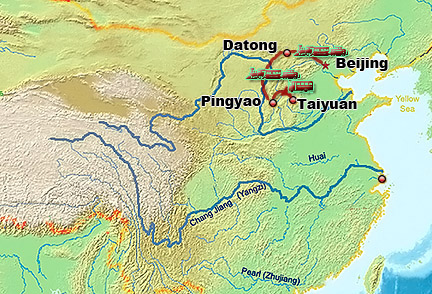 Travel route of 8 Days Beijing Datong Pingyao Tour
-
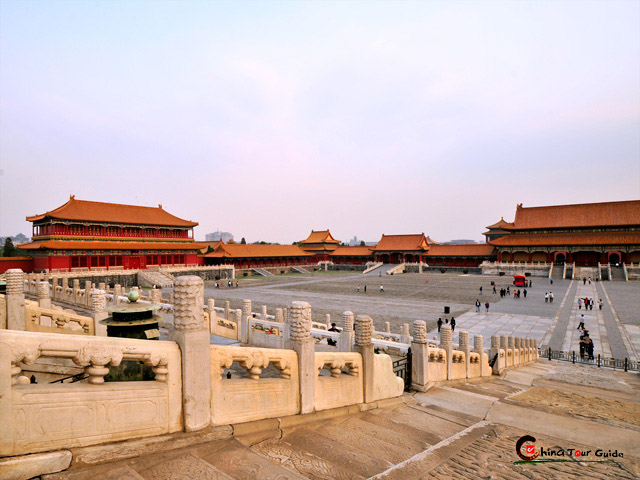 Forbidden City
 -
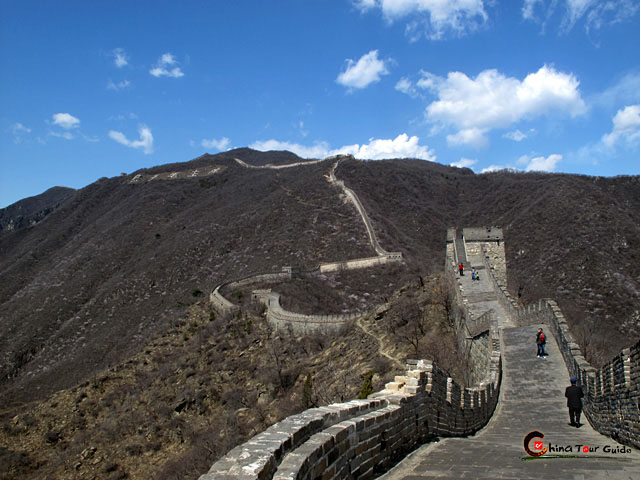 Mutianyu Great Wall
 -
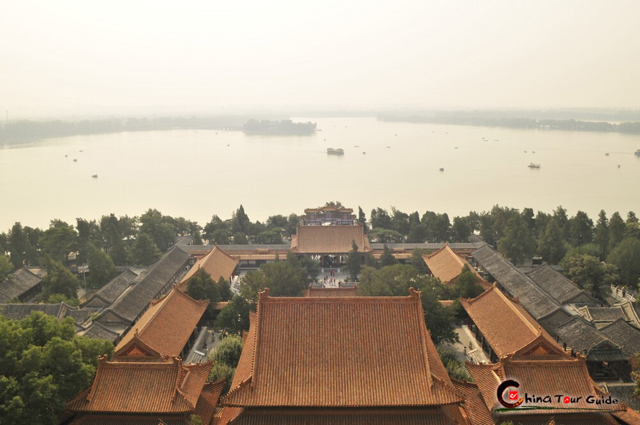 Panoramic view of Summer Palace
 -
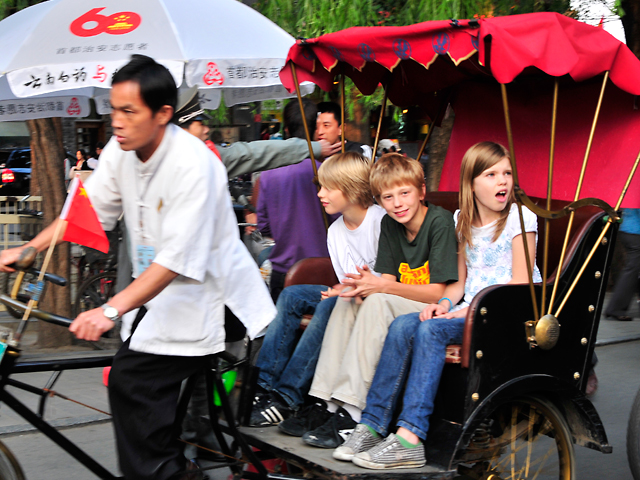 Exciting Hutong tour by rickshaw
 -
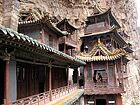
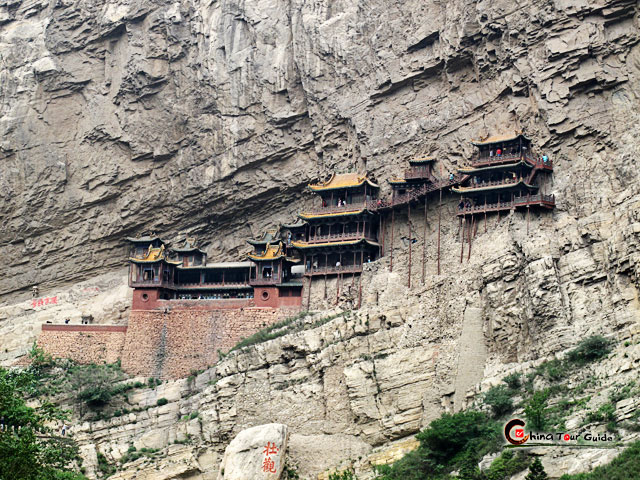 Hanging Temple, Datong
 -
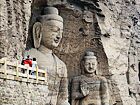
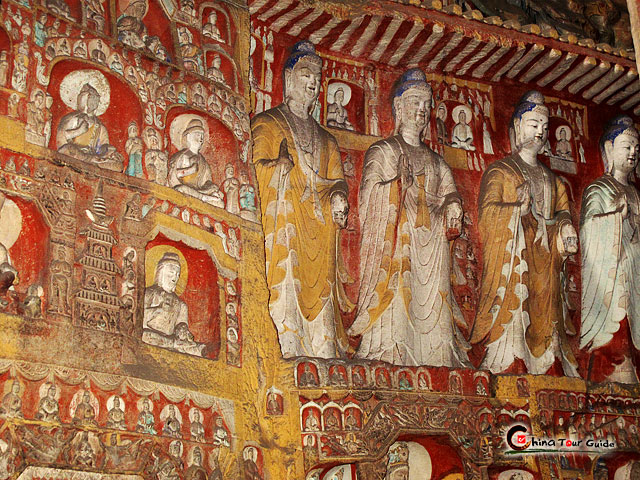 Assorted Buddhist sculptures in Yungang Caves, Datong
 -
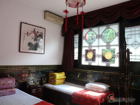
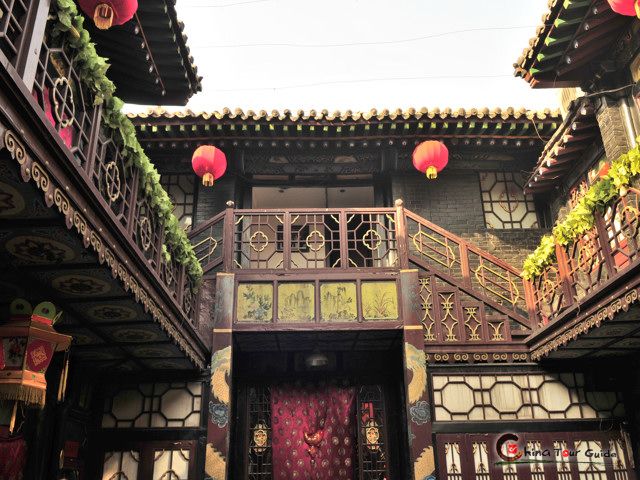 Vintage decoration style employed at featured hotel in Pingyao
 -
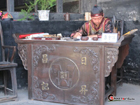
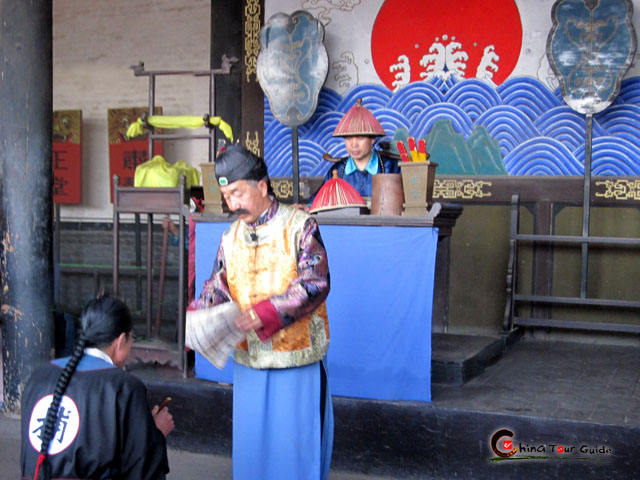 Ancient hearing performance in Government Office of Pingyao
 -
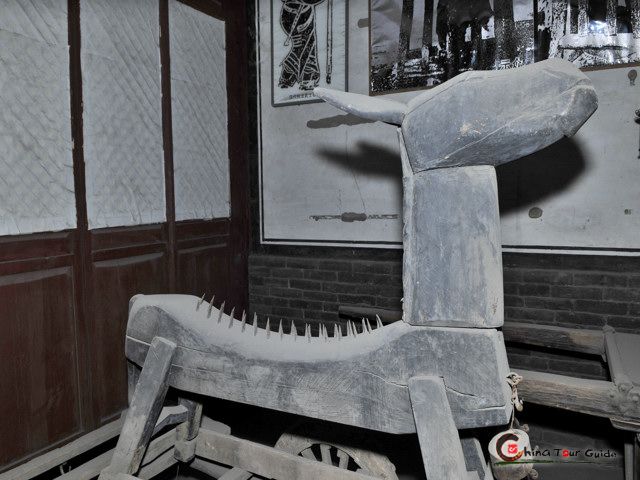 Tool of punishment in Government Office of Pingyao
 -
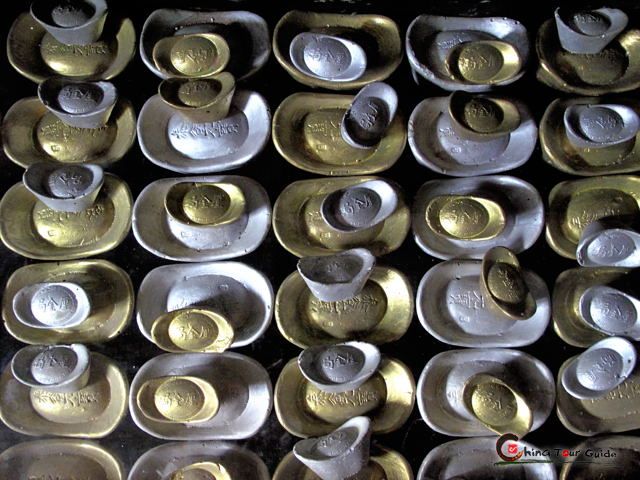 Stock of gold and silver ingots in Ancient Security Guard Company
 -
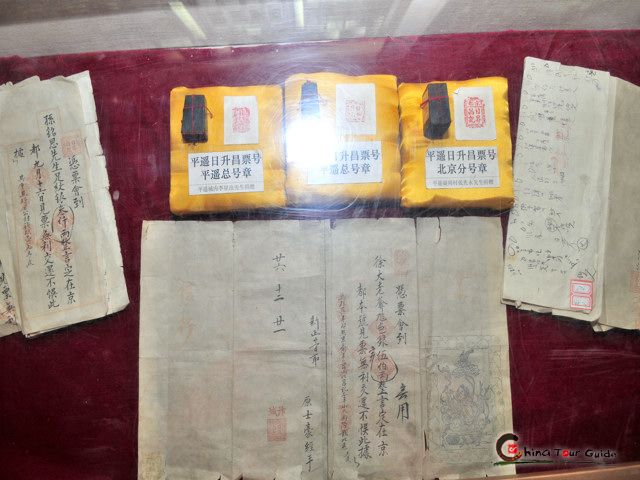 Drafts and seals in Rishengchang Exchange Shop
 -
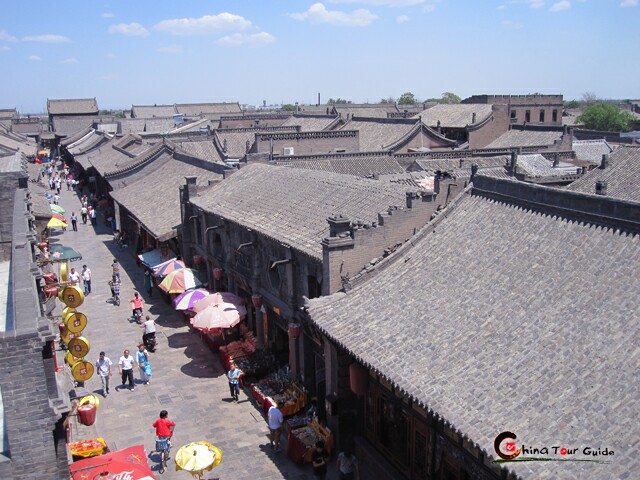
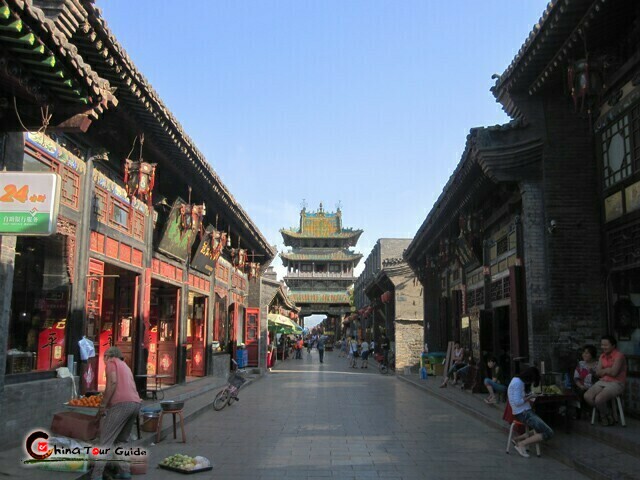 Mingqing Street, the main road in Pingyao Ancient City
 -
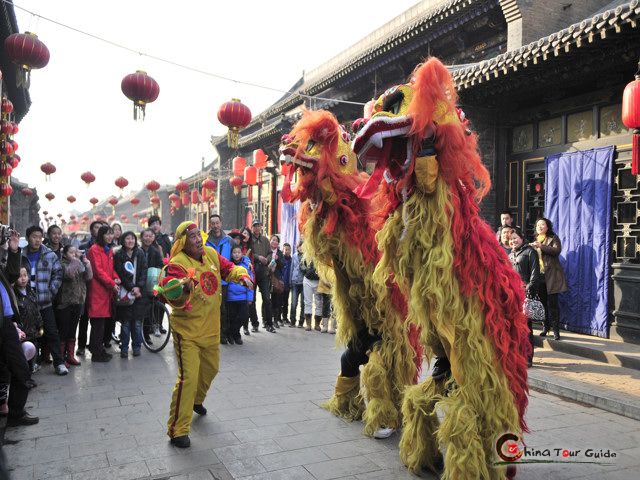 Traditional lion dance in Pingyao Ancient City
 -
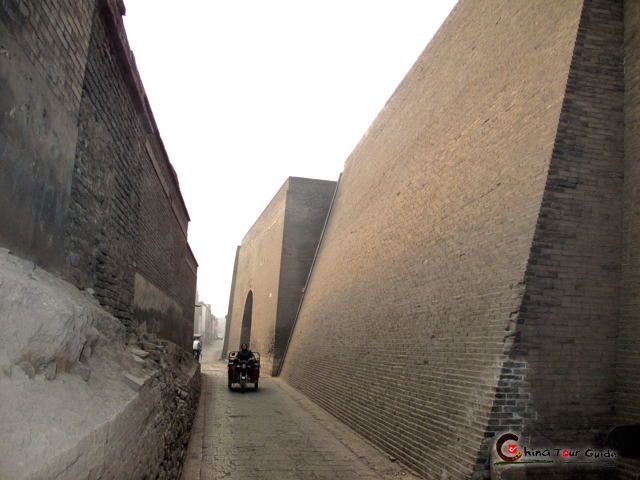 Ancient City Wall of Pingyao
 -
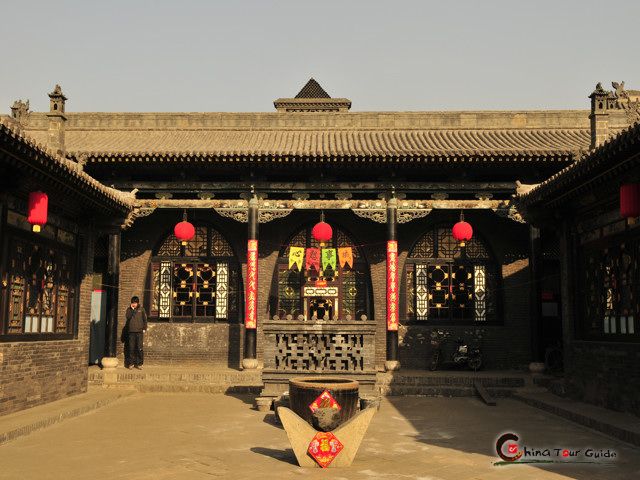 Home alter in Wang Family Compund
Tour Description

A history immersion to China - Beijing offers you a closer touch with both the imperial and grassroots' culture, Datong greets you with the marvelous World Heritage Yungang Caves and other Buddhist sites, and Pingyao embraces you with all its all-around histocial sensations.
Beijing gives you the most magnificent imperial palace and the great fortifications Mutianyu Great Wall.
Datong, the former Buddhist center, impresses you with an abundance of Buddhist caves and temples.
Pingyao, the best-preserved ancient city, shows you what the ancient Chinese people' life is like.
One-stop service, incl. experienced tour guides, drivers, hotels, meals and insurance, etc.
Day 1 Arrive in Beijing : Pick-up, check-in and free-time activities
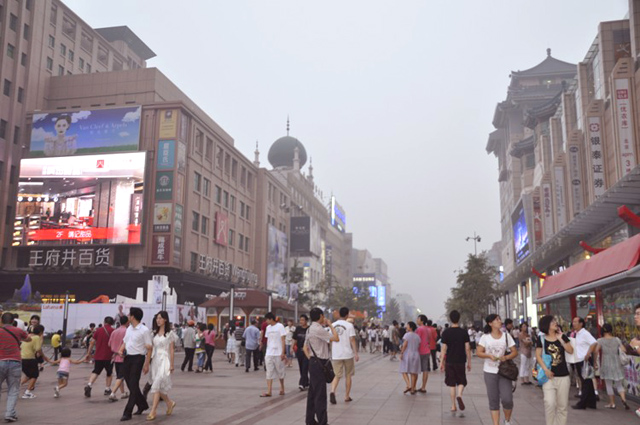
| Today's Activities | The guide will meet you outside the customs of Beijing Airport after you clear the customs, and then transfer you to the downtown hotel. The rest of the day is flexible for your will, have a rest at the hotel or take a walk around the famous Wangfujing Pedestrian Street enjoying the tasty Beijing snack there. | ||||||||||||||||
| Highlights |
|
Day 2 Beijing ( Breakfast, Lunch )
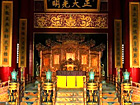
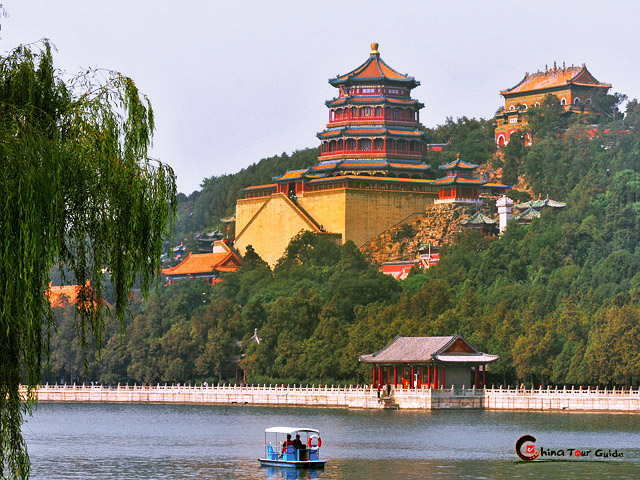
| Today's Activities | You’ll marvel at Tian'anmen Square, the largest square in the world and all the lofty jade stone bridges, moats, monuments, ornamental columns, stone lions, etc. Later walk northward and you reach Forbidden City. The largest and best-preserved imperial palace in China vividly showcases a whole set of the royal life. You’ll be shown around several main halls like the Hall of Supreme Harmony. Have a good view of the emperor’s chair, sculpture of mythical beasts, eave decoration and the like, you can touch some daily routine of the ancient Chinese emperors, courtiers and princesses. Later you'll tour Summer Palace, the royal garden. You can keenly feel the imperial grandeur when strolling across the 17-arch bridge, huge Kunming lake and the 728-meter-long painting-rich corridor. |
||||||||||||||||
| Highlights |
|
Day 3 Beijing ( Breakfast, Lunch )
Today's Activities |
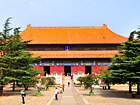
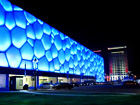
After breakfast at hotel, you will have an excursion to the Mutianyu Great Wall. By roundtrip cable car you can feast on this vital section of the world famous China Great Wall. Mutianyu not only boasts a surprisingly long history of over 1400 year but sport a special structure of three watchtowers on end. Afterwards, you will visit the most famous tomb of Ming Tombs - Changling. The tomb is inhumed with the 3rd emperor of Ming Dynasty (1368-1644) Zhu Di and his queen. Its tremendous scale and perfect degree of maintanence well fits the great achievement Emperor Zhu Di secured during his reign over China. On the way back to downtown Beijing, you will stop by the Bird's Nest (Olympic National Stadium) and Water Cube (National Aquatics), to view the unique constructions and take some photos. |
||||||||||||||||
| Highlights |
|
Day 4 Beijing - Datong: See-off, pick-up and check-in ( Breakfast, Lunch ) Transfer by train
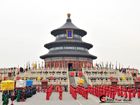
| Today's Activities | After breakfast you’ll head for Temple of Heaven where the Emperor of the Ming and Qing dynasties(1368-1911) would worship heaven and pray for good harvests around the kingdom. Here you would have an eye-opening understanding of Oriental architectural aesthetics and the deeply rooted awe of heaven in ancient Chinese, from the emperor to the masses. You may have chance to see the locals doing morning exercise, playing Tai-chi or sword in the big park. Later let’s leave the blocks of royal buildings for the populace culture that hide itself in the Hutong. Taking a rickshaw tour through these narrow alleyways, you’ll be impressed with the simple happy kids, the old enjoying their leisure time under the tree, exquisite old quadrangles, delicious sugared plums and all kinds of Beijing snacks at roadside peddlers. Plus, in a friendly family in the Hutong you’ll enjoy the most authentic Beijing cuisine with them. You may optionally experience how the delicious dumpling is made. After the lunch, you’ll move on to Beijing Railway Station and take the soft-sleeper train for Datong City. Upon your arrival, you’ll be picked up and transferred to the downtown hotel. |
||||||||||||||||
| Highlights |
|
Day 5 Datong ( Breakfast, Lunch )
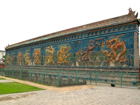
| Today's Activities | The first stop today is the over-1,500-year-old Hanging Temple that fast fastens itself to a near-vertical cliff. Beneath the temple are a dozen of wooden pillars that appear to be supporting the temple from falling apart. Actually you’ll soon discover that the safety of the temple has little to do with these pillars. It is said that the architects added the pillars to strengthen people’s confidence in walking through the temple. Enjoy visiting the temple and see how human intelligence can get! End the thrilling Hanging Temple tour and drive back to the downtown Datong to have your lunch. Then you'll have an excursion to the biggest Nine-Dragon Screen around China. The vivid dragons would pull you closer to the concept that Chinese guys regard the dragon as the symbol of the highest power. After that you’ll head for the World Heritage, Yungang Caves. The tremendous caves, one of the four Buddha caves in China, sports as many as 45 main caves and over 51,000 statues. Whatever size they come with, from the gigantic Buddha statues that front you at the cave entrance to the pocket statues inside, they are drop-dead gorgeous. Look what they’re doing- flying in mid air playing with Chinese lute, beating the drum, dancing to the rhyme of the royal band, etc. All you see are to show you both the Buddhist and worldly ways of life in China during 5th -6th Centuries.About 2 hours later, you’ll go back to downtown Datong. |
||||||||||||||||
| Highlights |
|
Day 6 Datong - Pingyao: See-off, pick-up, check-in and free-time activities ( Breakfast ) Transfer by train
| Today's Activities | After a breakfast at the hotel, you’ll take the train to Pingyao from Datong. With railway station pick-up and hotel transfer, you’ll spend the rest of the day as you like. You can either enjoy staying at the cozy and vintage featured hotel or go strolling around Pingyao Ancient City. That’s lots of fun. Look, almost all the shops are decorated in old fashion and everything that hits your eyes is of traditional Chinese touch - Red lanterns, red paper cuts, opera facial makeups, sidewalk restaurants sell traditional Pingyao diet and bars playing poetic Chinese ancient music. If you're lucky, you would watch a night watch stroll past you sounding night watches! | ||||||||||||||||
| Highlights |
|
Day 7 Pingyao ( Breakfast, Lunch )
Today's Activities |
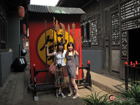
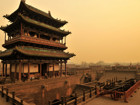
Today is all about Pingyao Ancient City, the whole set of which is ranked as World Heritage! Beginning with the most buoyant Mingqing Street, the old town has its vintage buildings parade past you. Though these houses appear more or less the same, they shadow their internal contents which are sharply different from each other. The Government Office of Pingyao (Xianya in Chinese) is totally feudal, there you can have a view of how the ancient county magistrate hears a civil case (Performed by costumed actors). However, when turning to the nearby Rishengchang Exchange Shop, the best-known capitalistic banking company that once dominated the banking industry of China for decades (1824-1914), you would fall lost before the sophisticated system of draft exchange. In keen contact with the exchange shop is the Ancient Security Guard Company (Biaoju in Chinese) that played as the property supercargo. Stepping into the deep courtyard of the Biaoju, you will find a complete series of cold weapons – spears, swords, sticks, hammers, bows and arrows. It was with these old-fashioned weapons and one-wheel escort vehicle that the tons of money and treasury of the exchange shop made it to the destination safely. At dusk, you’ll have a panoramic view of the time-honored ancient city on the lofty Ancient City Wall of Pingyao. Trust you to have lots of thoughts and sighs to let out. |
||||||||||||||||
| Highlights |
|
Day 8 Depart Pingyao : See-off at airport ( Breakfast, Lunch )
Today's Activities |
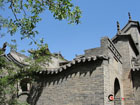
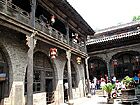
Today let's tour the enormous Wang Family Compound. The residential complex whose owner is the wealthiest family locally, is honored as the Forbidden City in Shanxi Province or the folk Forbidden City. Keep your eyes sharp or you’ll soon get lost cause the enormous labyrinth world boasts 123 courtyards and an astonishing total of 1,118 rooms! Apart from the spectacular layout, you can further enjoy the sumptuous details of carving and embossing on the pillars, eaves, walls, windows and doors… Finishing the incredible architecture appreciation, you'll be transferred to Taiyuan airport for your flight. Wish you a happy journey! |
||||||||||||||||
| Highlights |
|
Package Details
 Tour Package Includes: Tour Package Includes: |
|
 Dining: 7 breakfasts and 6 lunches. Dining: 7 breakfasts and 6 lunches. |
Admissions: Entrance fee to all scenic spots listed in itinerary |
| Train, Flight Tickets: all listed in itineraries; |
Hotels: accommodation in mentioned cities; |
| Tour Guide: a local experienced English-speaking guide |
Car Driver: an experienced licensed driver |
| Vehicle: a private air-conditioned car, offering Round-trip transfers |
Luggage Transfers: a hand for your heavy luggage; |
| Insurance: Travel Agencies Liability Insurance; |
Government taxes & Service charges |
| Tour Package Excludes: |
|
| - Other optional attractions / tours / meals and international flights; | - Tips for tour guides and drivers. |
Hotel in Beijing
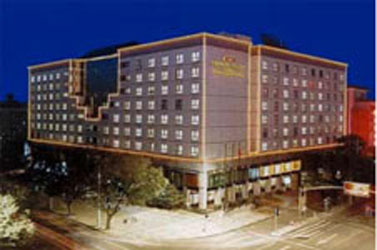
- Crowne Plaza Hotel Beijing

- Located in the golden business area of Wangfujing, the hotel only takes 10 minutes to Forbidden City and Dongfang Square. With stylish guest rooms and newly renovated Crowne Plaza Club floor – Crowne Plaza Beijing has anticipated every need while providing easy access to business, commercial districts and historical landmarks.
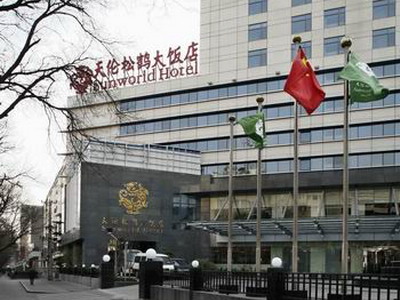
- Sunworld Hotel Beijing

- Situated on the intersection of Wangfujing Avenue and Dengshikou Street, Sunworld Hotel Beijing is close to many famous historical and cultural landmarks, including the Forbidden City. Guest rooms and suites are designed with a traditional and refined style. From servies to amenities, the hotel strives to make your stay a pleasant experience.
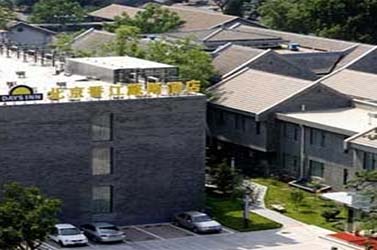
- Days Inn Forbidden City Beijing

- With its courtyard style, the hotel has retained its charm of the ancient time but as well merged in contemporary architecture and designs. The hotel is near the famous Tian’anmen Square and Wangfujing Business Street. It takes about 20 minutes from Capital International Airport (24km) and 5 minutes from Beijing Railway Station (3km). The hotel provides guests clean and comfortable service and amenities.
Hotels in Datong
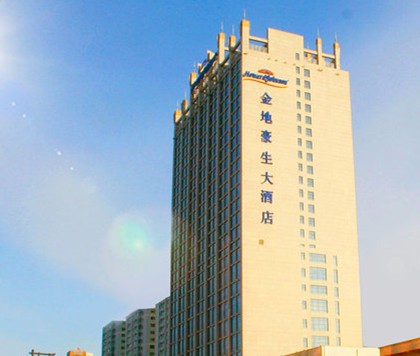
- Howard Johnson Jindi Plaza Datong
- Howard Johnson Jindi Plaza Datong is located at the city center, with easy traffic access. The hotel offers a large variety of dishes. There are 25 dinning halls. Following its high level features, the western restaurant offers creative dishes based on traditional French cuisine, and is decorated in a neo-romanticist style, perfectly matching the food served here. Bars, Japanese and Korean restaurants are available.
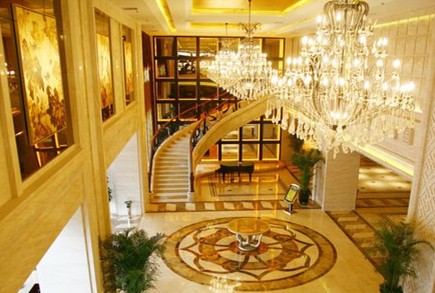
- Great Palace Hotel Datong
- Great Palace Hotel Datong is situated in ust 10-minutes from Datong railway station and only 20-minutes from the direct Beijing-Datong express freeway. The hotel combines an elegant traditional interior design with very modern guest facilities. The hotel provides 98 comfortable guestrooms. All rooms are equiped with facilities such as IDD telephone connections, satellite television and Mini-bar service.Each room is decorated with traditional room amenities and around-the-clock service.
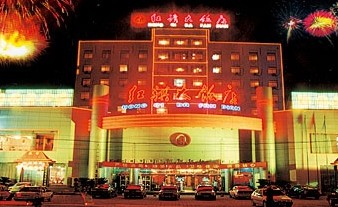
- Hong Qi Grand Hotel Datong
- Hong Qi Grand Hotel is with a capacity of 170 rooms provides a whole chain of accommodation, entertainment, dining, and shopping for business people as well as tourists. There are total 138 well equipped and comfortable guest rooms. The hotel has Chinese and western restaurants and is beautifully decorated and equipped with modern facilities that will make your stay as convenient and comfortable as possible. The hotel also provides car rental and ticket reservation services.
Hotels in Pingyao
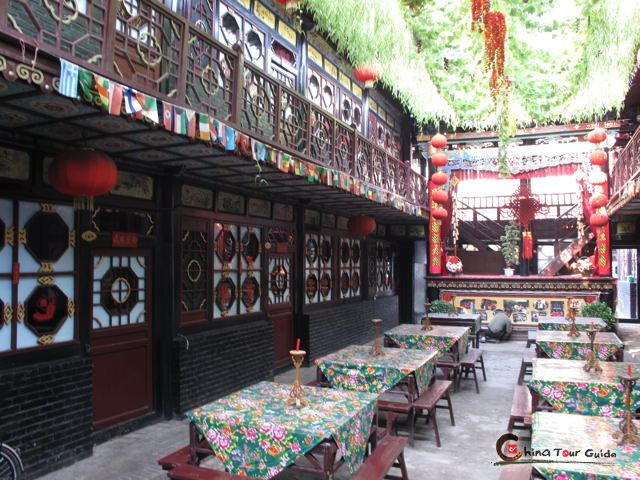
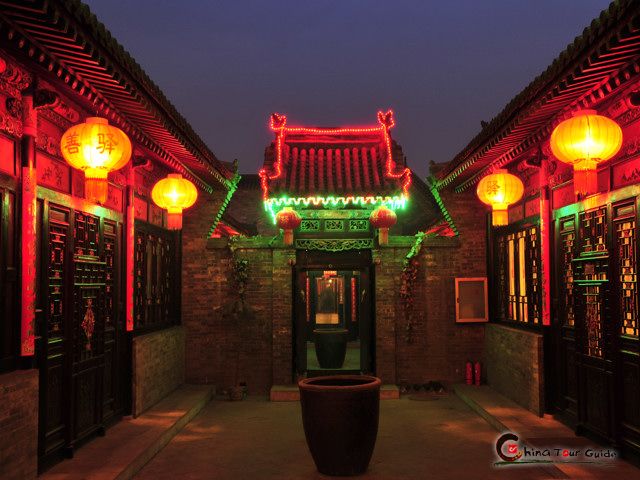
- Yunjincheng Folk Hotel Pingyao
- Yunjincheng Folk Hotel Pingyao adorns itself up with all the featured ingredients of traditional Pingyao dwellings like red lanterns, folding screens with Chinese ink painting, rosewood furniture and sophisticated courtyard layout. Moreover, even the beddings in each room are of traditional tone. Hot water and tasty local dishes are all available to serve you too.
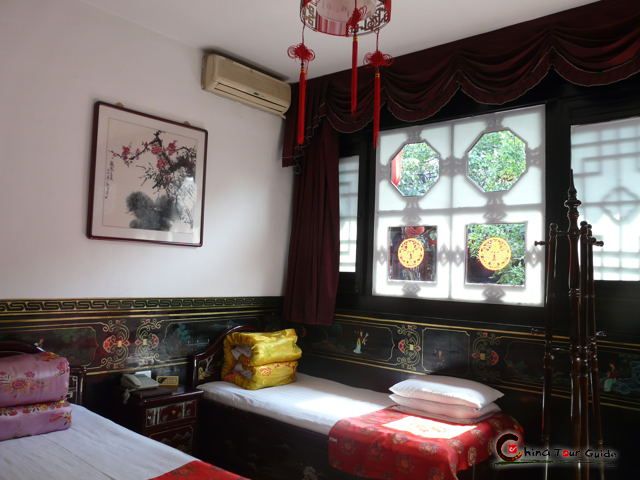
- Hongshanyi Hotel Pingyao
- If you spend a Chinese Spring Festival in Hongshanyi Hotel, you will have a lot of fun, taking part in the celebrating activities the hotel holds for you. You can either DIY some handicrafts like paper cut, writing spring festival couplets or watch outdoors the dazzling lantern show, firework.
- Dejuyuan Guesthouse Pingyao
- Dejuyuan Guesthouse Pingyao is situated at Mingqing Street. The tastefully decorated guest rooms and a wide range of facilities and services provide guests with a comfortable and joyful stay.
Overview
- Breakfasts are offered by hotels;
- Lunches are supplied according to different classes of tour;
- Dinners are for your own arrangement.
We promises no worries about the dining quality, plus flexible choices that you can have depending on your preference. If having any special requestment, just tell our trip advisor directly. In all, we aim to satisfy your tongue and stomach with our recommendation as follows:
Beijing
As the capital of China, Beijing boasts many good restaurants with featured cuisines. Our package takes you to have A La Carte dinner at Great Northeast Restaurant, Gold Palace Restaurant and Tang Yuan Restaurant, leading you to grasp the essence of Chinese classic cuisines.
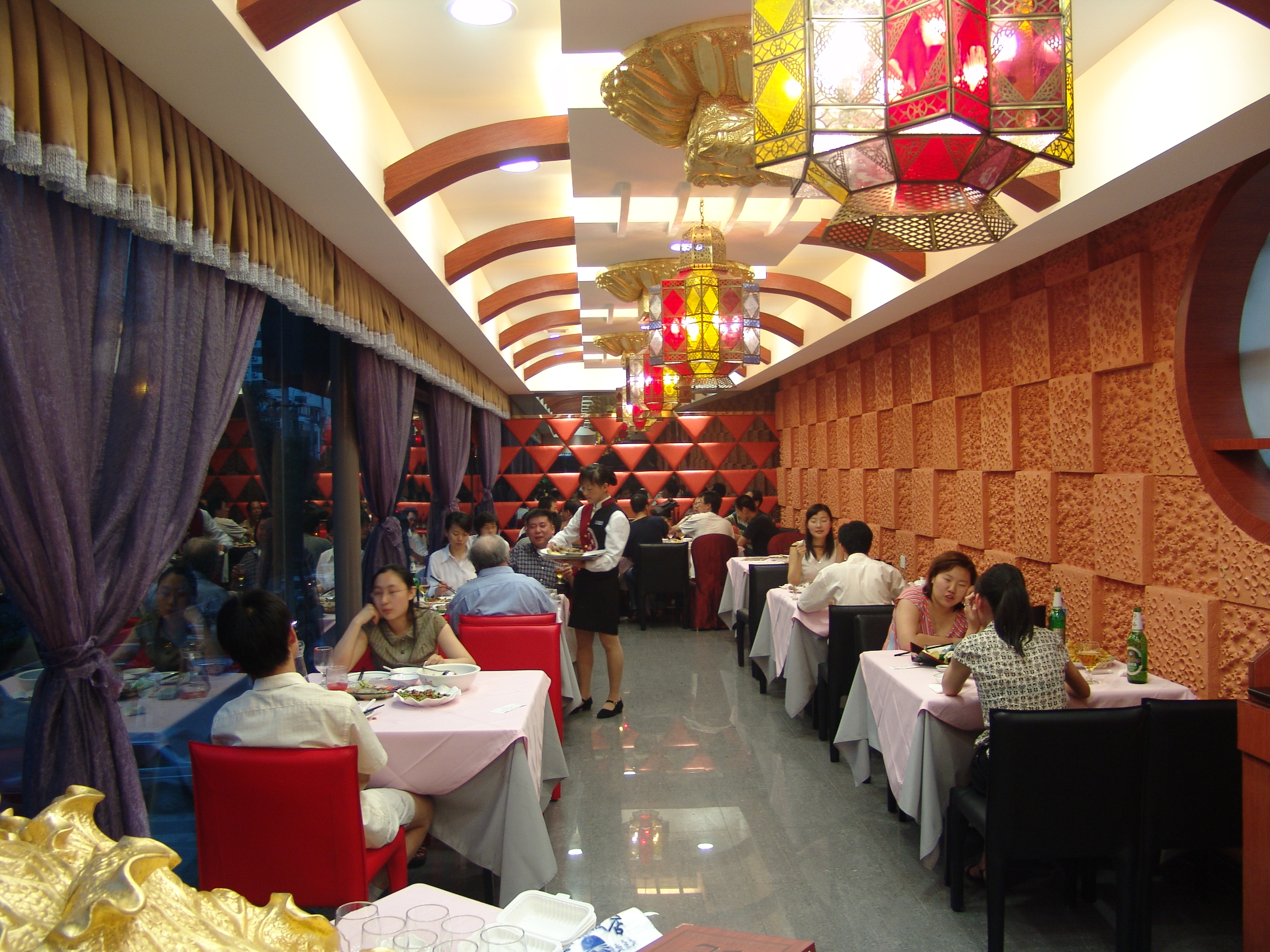 |
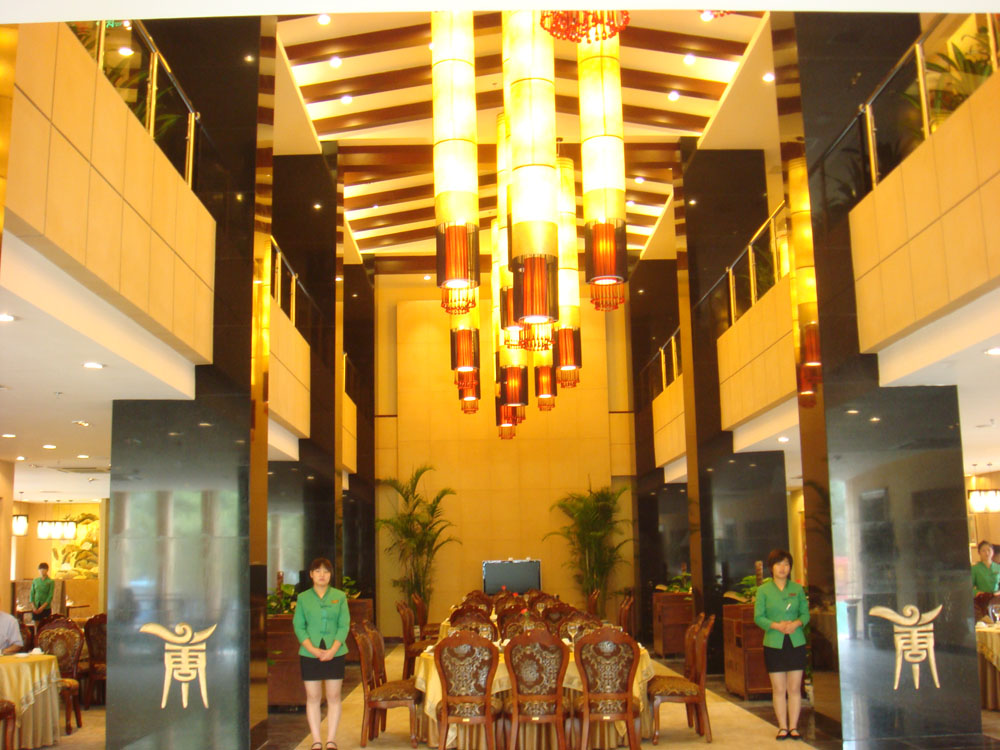 |
| Dining Hall of Great Northeast Restaurant | Main Hall of Tang Yuan Restaurant |
Datong
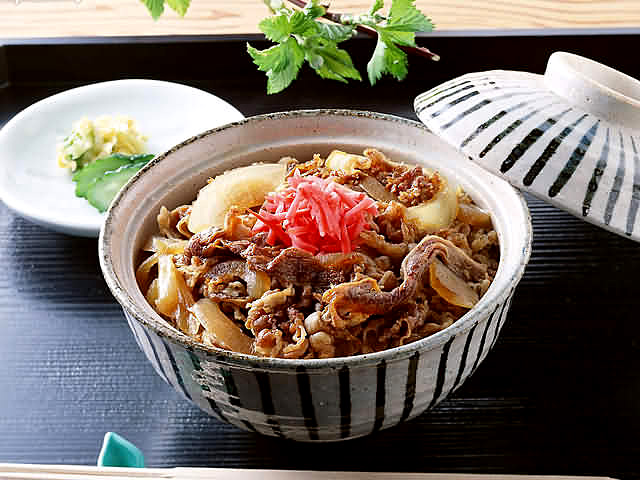
Datong offers over 108 kinds of noodles and pastries. The street food menu includes Shuijianbao, the fried pork-stuffed buns and Doumianjianbao, the pancakes topped with string beans. Besides, trying a bowl of millet gruel might be a good choice after the oily meals in big cities.
 |
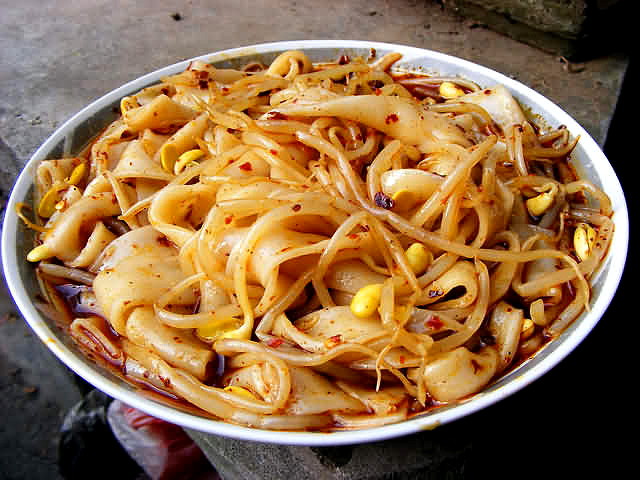 |
| Yangza | Jelly |
Pingyao
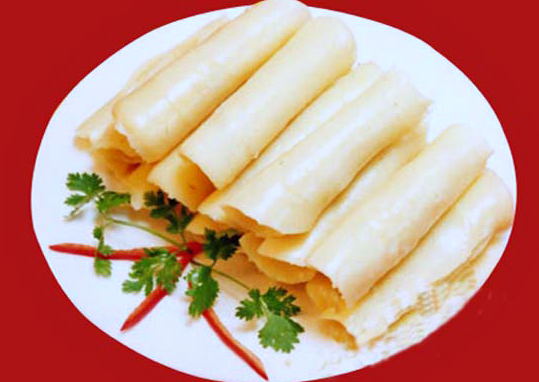
Pingyao offers traditional northern China cuisine and specializes in various noodle dishes and pastries. Try Wantuo, that's a famous noodle dish. Also sink your teeth into Pingyao's beefy dishes. Pingyao doesn't have ritzy high-end restaurants; the food here is rustic and homey.
 |
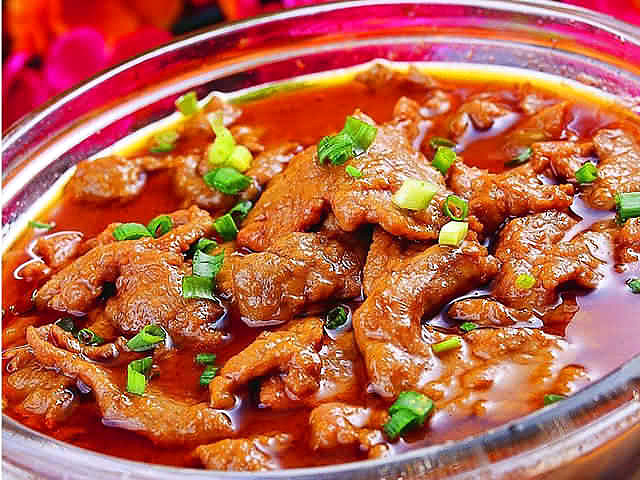 |
| Pingyao Wantuo | Pingyao Beef |
Your Add On:
Comments
Customer: Mr. Yee
Destinations: Beijing - Datong - Pingyao
Related Tour: 8 Days Beijing Datong Pingyao Tour
Customer: Mr Mofey
Destinations: Beijing - Datong - Pingyao - Xi'an - Luoyang - Shanghai
Related Tour: 14 Days Imperial Cities Tour; 8 Days Beijing Datong Pingyao Tour