
Local Guangzhou Tours
Home >> China Attractions >> Guangzhou >>Guangzhou Attractions >> Guangxiao Temple
Guangxiao Temple
- Overview
- Know More
- Must See
- Photos/Video
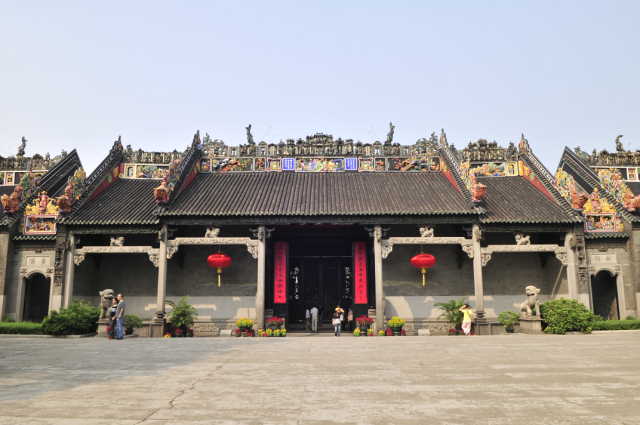
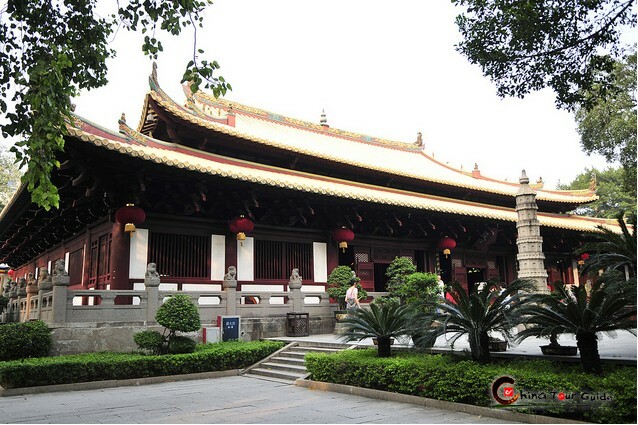
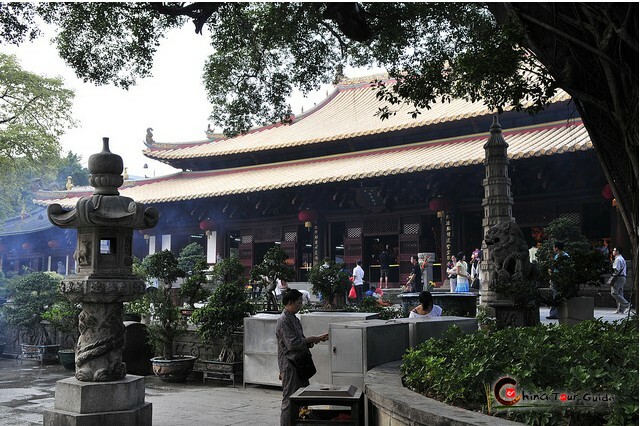
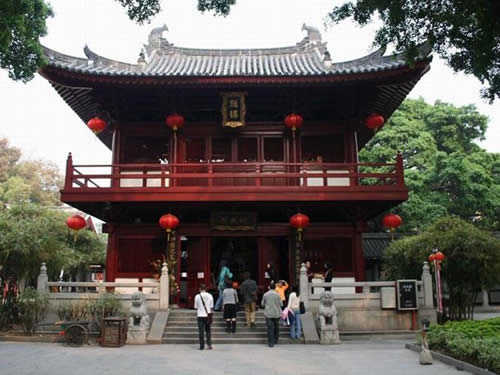
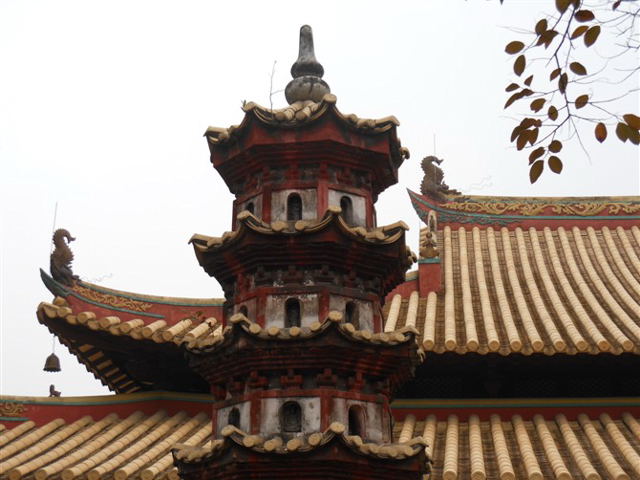
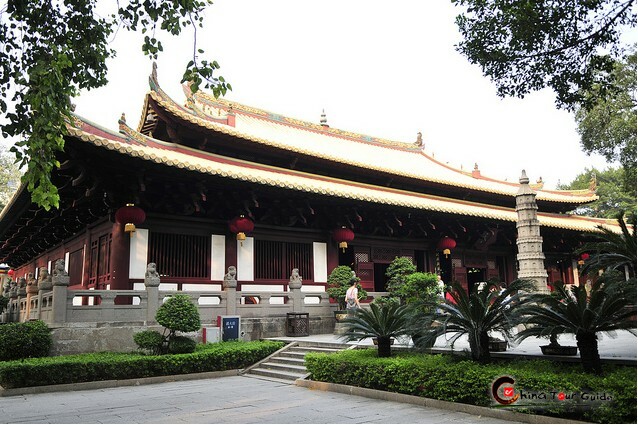
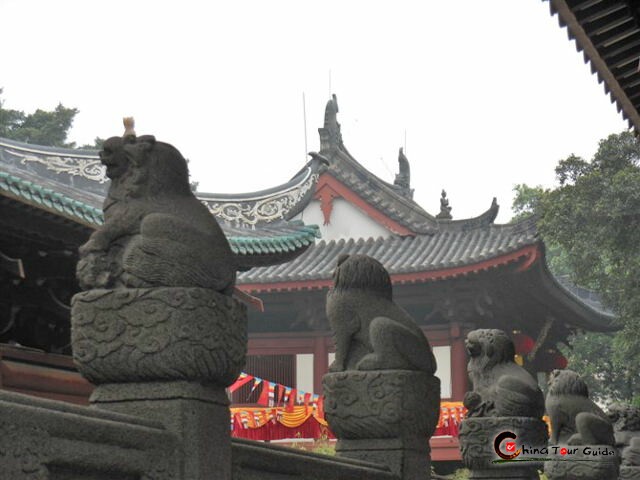
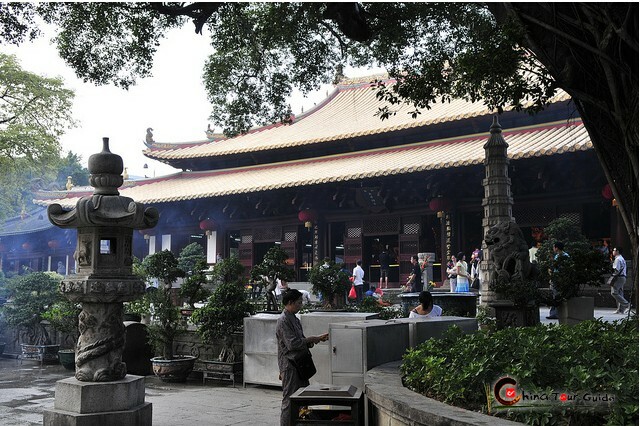
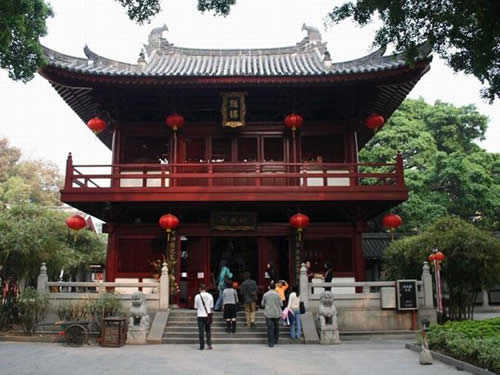
Guangxiao Temple, also known as Bright Filial Temple, is a magnificant and ancient temple, built as the mansion for Prince Zhao Jiande of the Nanyue Kingdom during the Western Han Dynasty (206BC - 24AD).
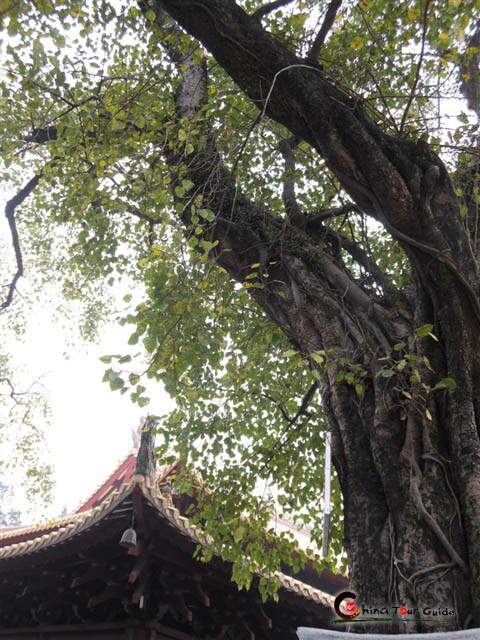
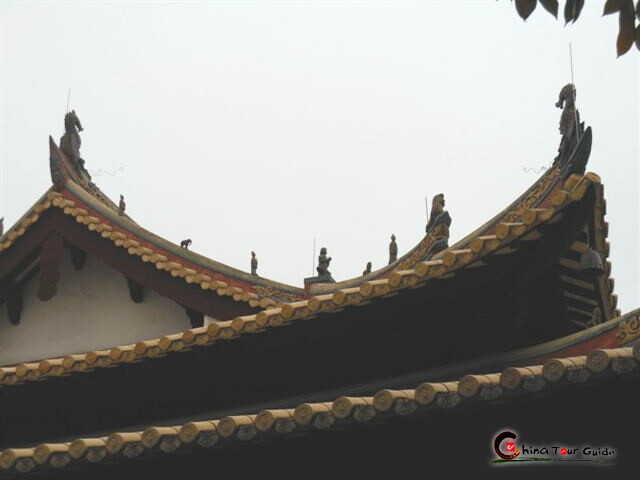
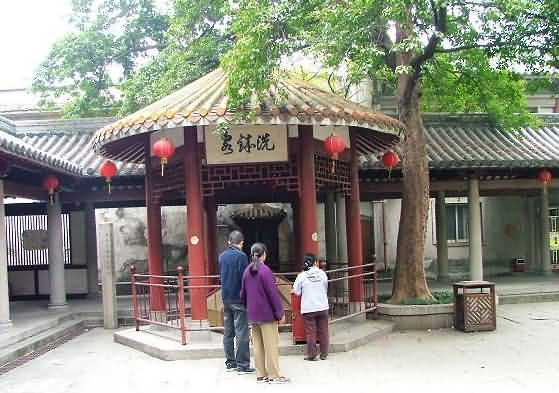
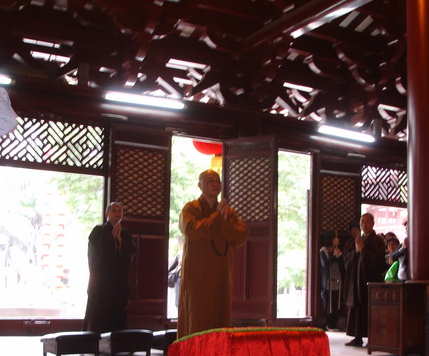
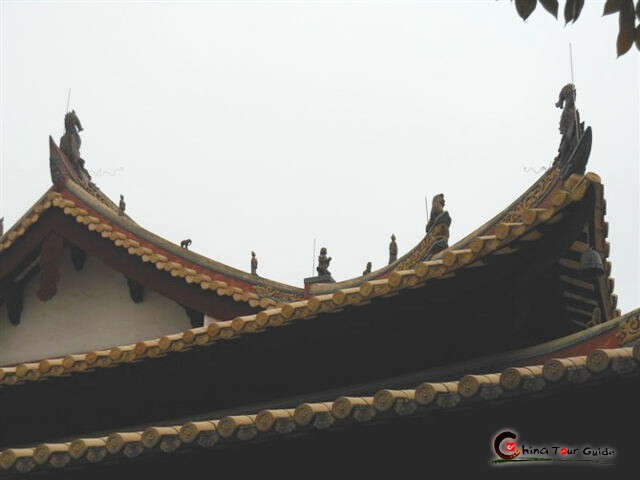
There is a saying in Guangzhou that "Guangxiao Temple comes earlier than Guangzhou". With a history of over 1,600 years, the temple is reputed as the oldest and the largest temple of Buddhism in Guangzhou. Lots of eminent monks in and abroad propagandized in the temple, including /strong>Xuanzang, the eminent monk in Tang Dynasty (618A.D- 907A.D) and Bodhidharma, the 28th patriarch of Buddhism. Huineng, the 6th patriarch of Chinese Zen Buddhism, was ordainment under the bodhi tree in the temple 1333 years ago. The majesty temple and grandeur palace make Guangxiao temple become a treasure of Chinese architecture. The cultural relics in the temple are significant in the history of Chinese Buddhism, culture, architecture in Guangdong.
There is a saying in Guangzhou that "Guangxiao Temple comes earlier than Guangzhou". With a history of over 1,600 years, the temple is reputed as the oldest and the largest temple of Buddhism in Guangzhou. Lots of eminent monks in and abroad propagandized in the temple, including /strong>Xuanzang, the eminent monk in Tang Dynasty (618A.D- 907A.D) and Bodhidharma, the 28th patriarch of Buddhism. Huineng, the 6th patriarch of Chinese Zen Buddhism, was ordainment under the bodhi tree in the temple 1333 years ago. The majesty temple and grandeur palace make Guangxiao temple become a treasure of Chinese architecture. The cultural relics in the temple are significant in the history of Chinese Buddhism, culture, architecture in Guangdong.
 |
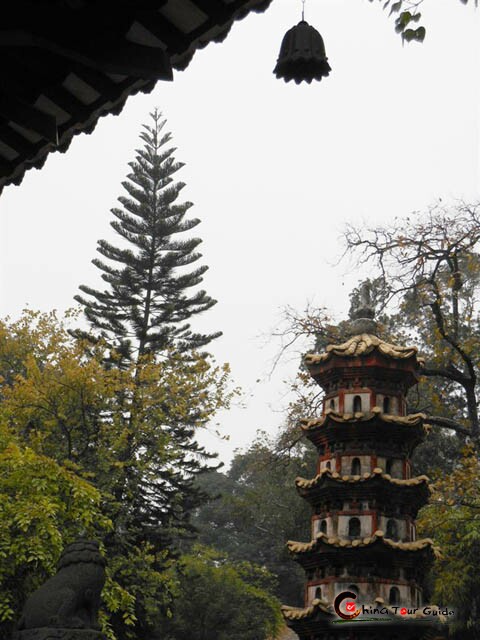 |
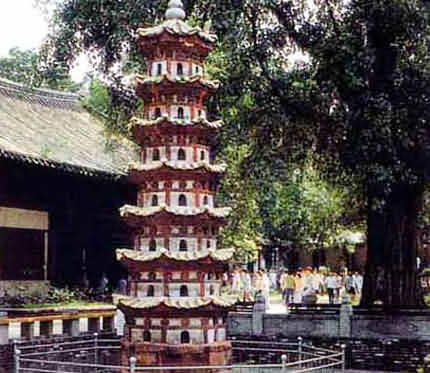
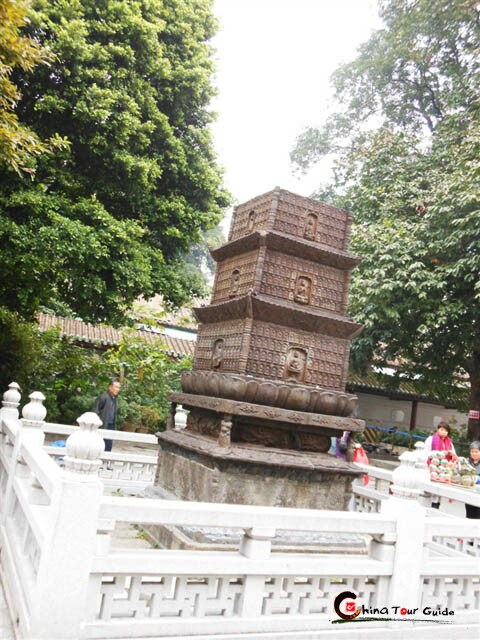
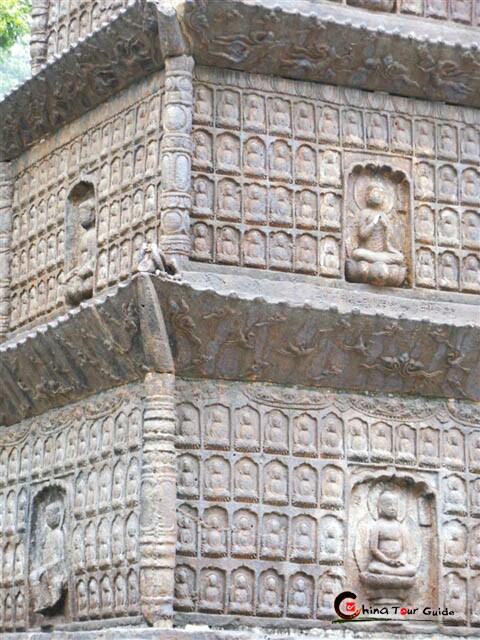
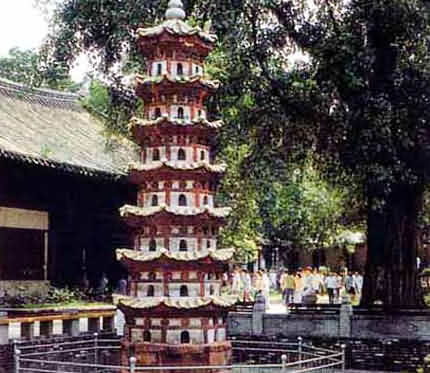
| Ancient banyan | Yifa Pagoda |
Select Other Guangzhou Attractions
 Please click " Please click " " to add the attraction in you favorite list, let us plan a private Guangzhou Tour for you. " to add the attraction in you favorite list, let us plan a private Guangzhou Tour for you. |
|
||||||
|
||||||
|
||||||
|
||||||
|
||||||

About Us | Contact Us | FAQ | Privacy Policy | Terms and Conditions | Links | Sitemap
Guide for China tour, offers most value & amazing experience. In China, you can rely on us
Copyright © 2001 - 2025. All Rights Reserved to ChinaTourGuide.Com
Guide for China tour, offers most value & amazing experience. In China, you can rely on us
Copyright © 2001 - 2025. All Rights Reserved to ChinaTourGuide.Com
China Tours | China Tour | China Attractions | Yangtze Cruise | China Tour Agency | China Travel | Huangshan Tour | Beijing Tours | Shanghai Tours Guilin Tours | Suzhou Tours | Hangzhou Tours | Tibet Tours | Yunnan Tour | Hongkong Tour | Xian Tours | Canton Fair | Canton Fair 2025
Hotel Guangzhou | Guizhou Tours | Hong Kong Hotels | 香港酒店 | 广州酒店 | 广州会议酒店 | Indochina Tour
Guide for China tours, offers most value & amazing experience. Chinatourguide.com. Your reliable China tour agency.
Hotel Guangzhou | Guizhou Tours | Hong Kong Hotels | 香港酒店 | 广州酒店 | 广州会议酒店 | Indochina Tour
Guide for China tours, offers most value & amazing experience. Chinatourguide.com. Your reliable China tour agency.