

Local Beijing Tours
Tour Tips
Quick Enquiry
| Follow Us and Share on: |


 |
Beijing History
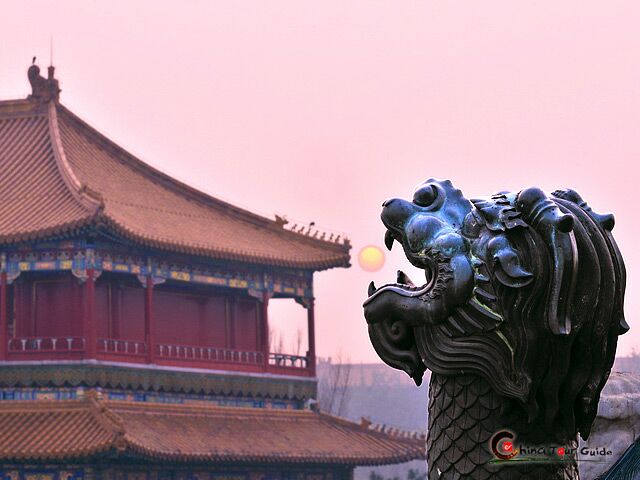 As a world-renowned ancient cultural city, Beijing is said to have been the home of the "Peking Man" about 500,000 years ago. Its history as a city dates from 1045 BC, over 3000 years ago. For a span of 1000 years, Beijing was the capital of China, to be specific, the provisional capital of the Liao Kingdom (916-1125) and the capital for Jin Kingdom (1115-1234), Yuan (1271-1368), Ming (1368-1644) and Qing (1644-1912) dynasties. During these five periods, 34 emperors ever lived and ruled here.
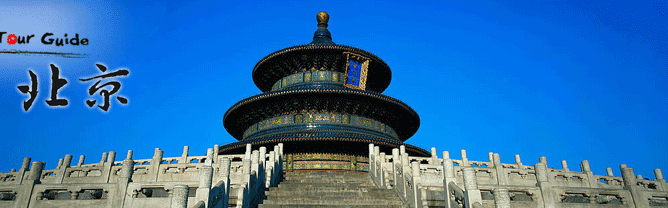
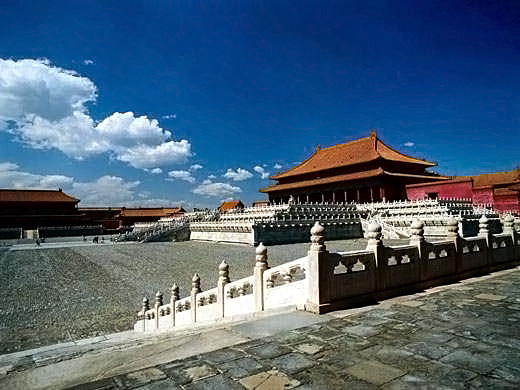
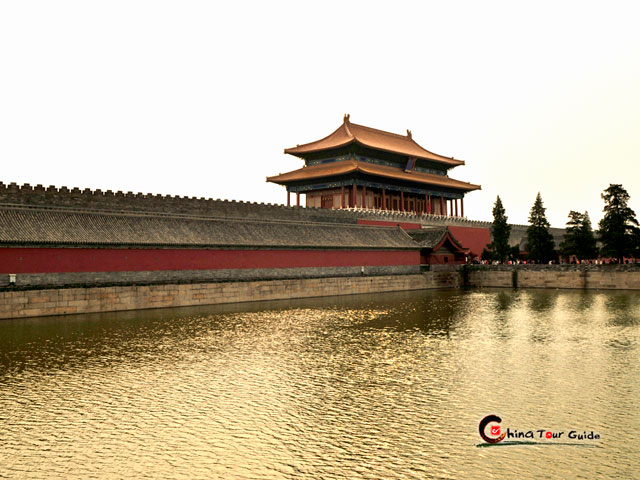
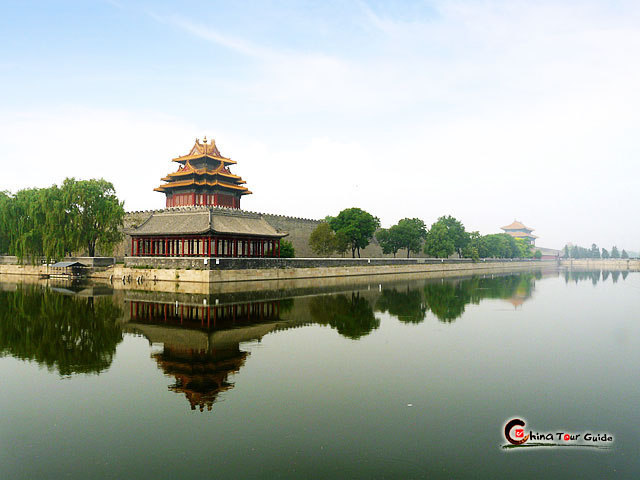
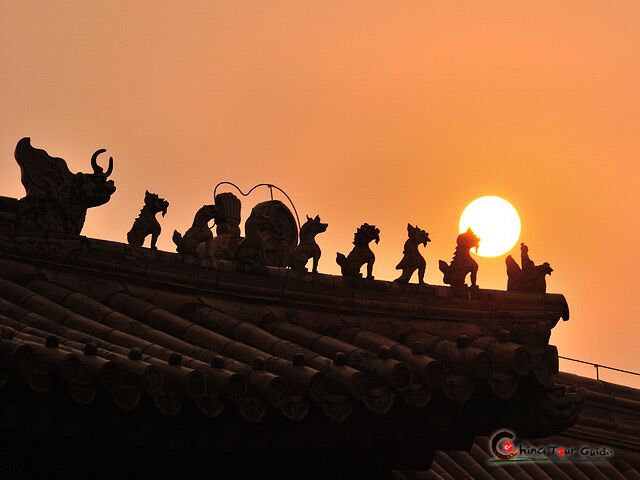 Most of what we see today in Beijing was built during the Ming dynasty (1368-1644) when the huge city walls were repaired and redesigned. Yongle is credited with being the true architect of the modern city, and much of Beijing's hallmark architecture, such as the Forbidden City and the Temple of Heaven, date from his reign. The basic grid of present-day Beijing had been laid. A change of government came with the manchus, who established the Qing dynasty in 1644 and began to build numerous suburban gardens including the well-known Summer Palace. After extensive reconstruction during the Ming and Qing, Beijing emerged as an architectural masterpiece fit to serve as the capital of the Chinese empire.
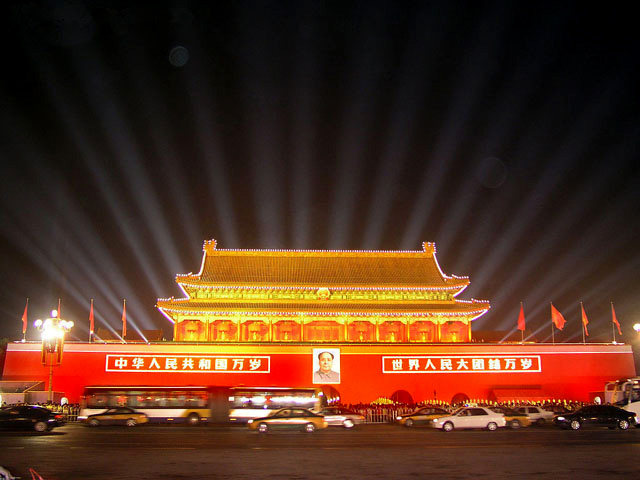
On January 31, 1949, the Chinese People's Liberation Army formally entered Beijing, opening a new chapter in the long history of the city. It was in the Tian'anmen Square on October 1st, 1949, that Chairman Mao Zedong proclaimed the establishment of the People's Republic of China, and the city was again designated as the capital of China.

Beijing Local Tours
 from $50
 from $219

 from $314

Guide for China tour, offers most value & amazing experience. In China, you can rely on us
Copyright © 2001 - 2026. All Rights Reserved to ChinaTourGuide.Com
Hotel Guangzhou | Guizhou Tours | Hong Kong Hotels | 香港酒店 | 广州酒店 | 广州会议酒店 | Indochina Tour
Guide for China tours, offers most value & amazing experience. Chinatourguide.com. Your reliable China tour agency.