

Local Beijing Tours
Tour Tips
Quick Enquiry
| Follow Us and Share on: |


 |
Beijing Tour Guide
 Beijing, also known as Peking, is the capital of China. Located in the north of China, Beijing is the political, economic, cultural center of the country. As a city of more than 3000 years' history, Beijing is honored as the city with the most World Cultural Heritages in the world. It is also known as the historical city and one of the 8 ancient capitals (the others are Xi'an, Luoyang, Nanjing, Kaifeng, Hangzhou, Anyang, and Zhengzhou) in China.
If you are interested in learning about China's history and culture, Beijing is definitely the place to start. There is an unparalleled number of intriguing sites, both ancient and modern, waiting for you to explore.
Discover Ancient Beijing
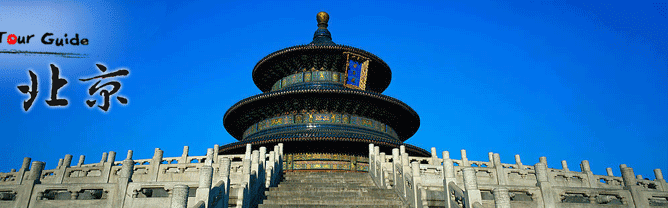
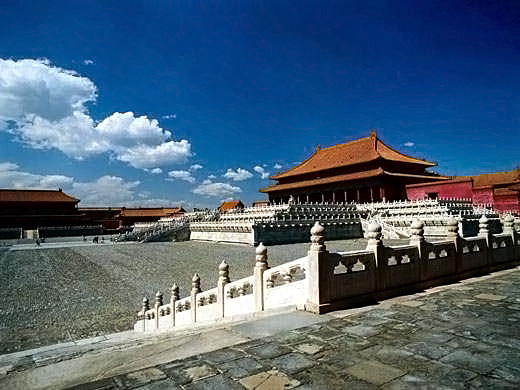
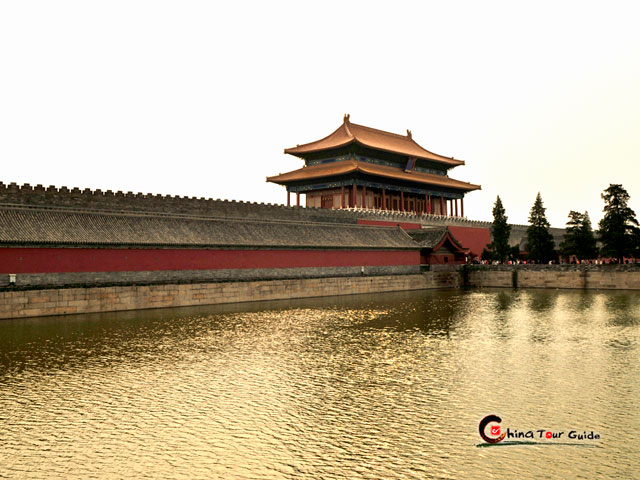
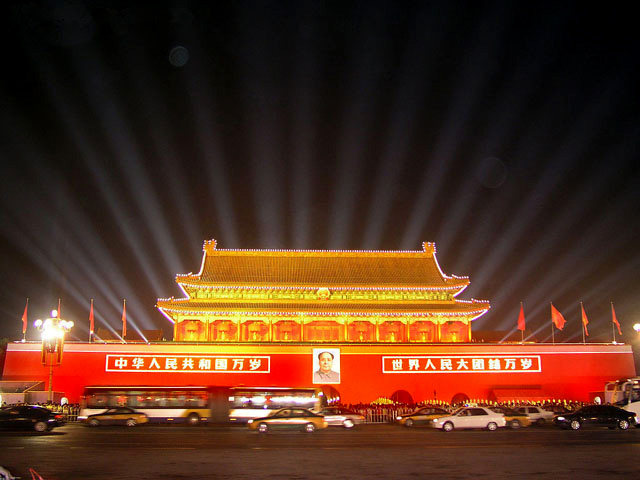
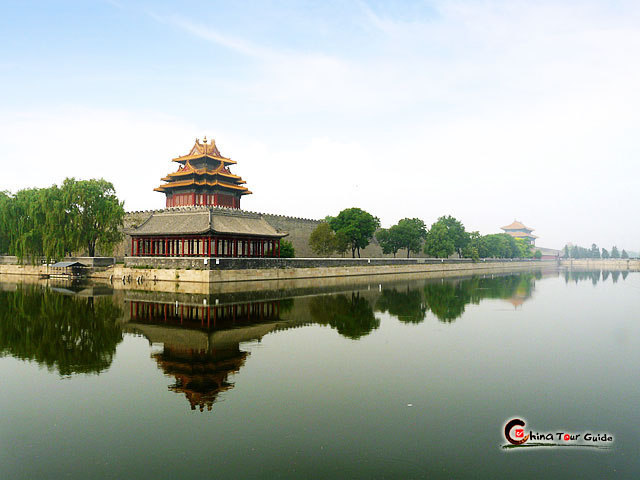
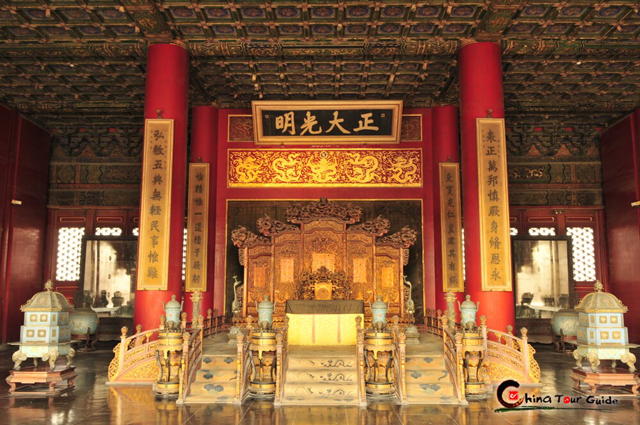 To experience the history of Beijing and China, there are some must see tourist attractions. Enjoy a close and personal look at the grand Forbidden City and Summer Palace, which are the residences of Chinese Emperors and their families for hundreds of years. Admire the cosmic harmonies of the Temple of Heaven.
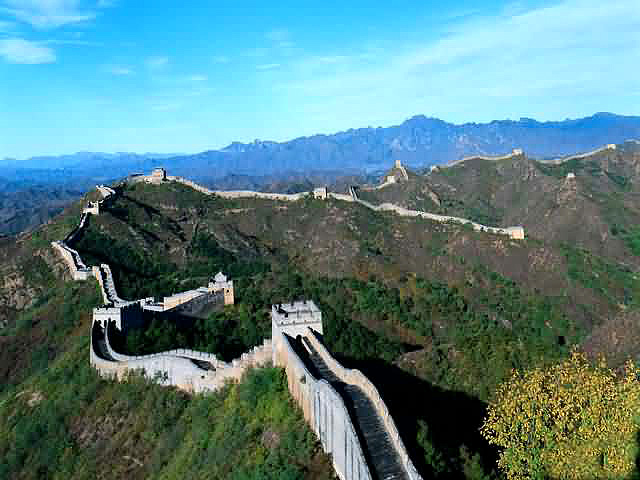
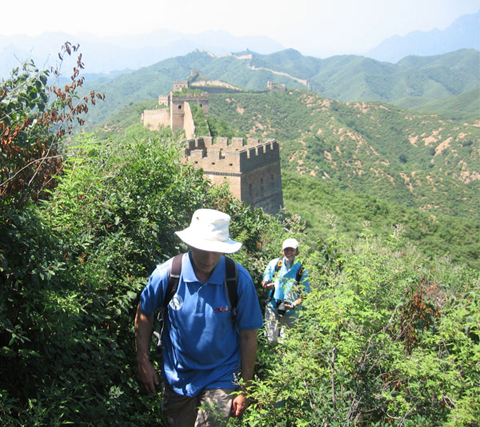
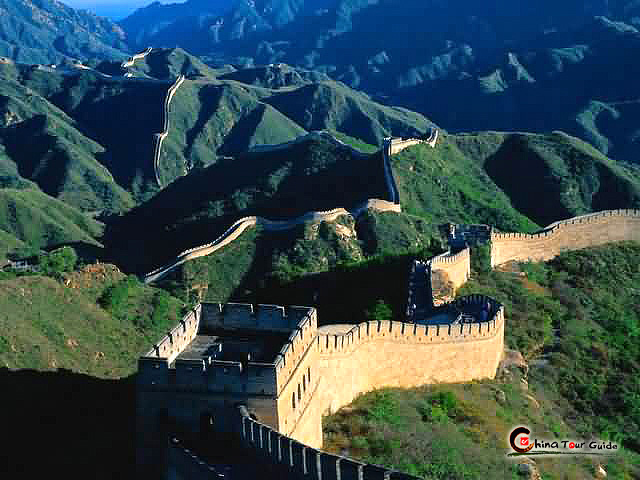
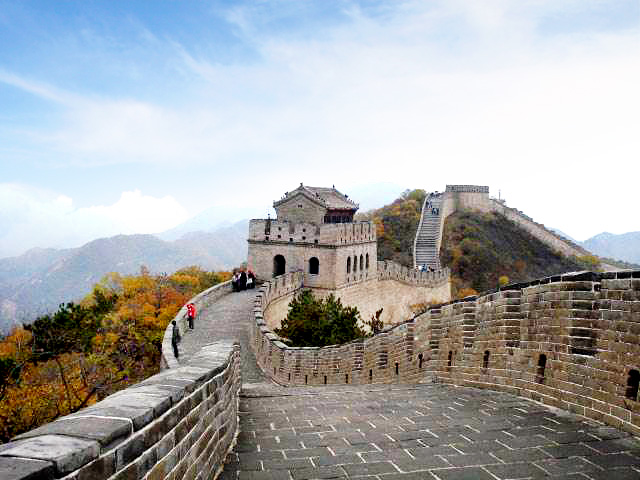
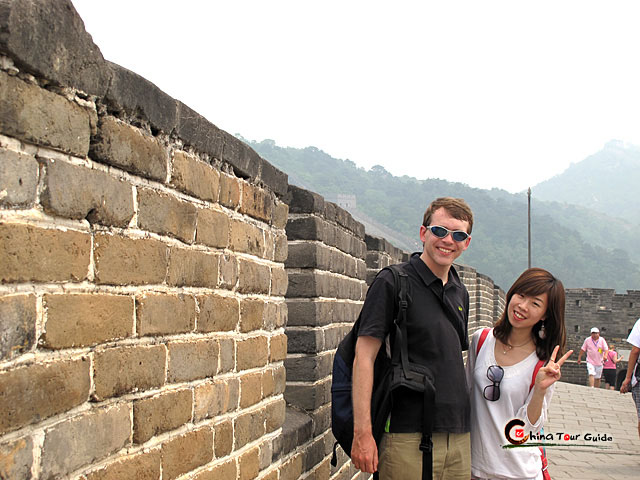
 To top off a tour of China's ancient cultural heritage, head out of the city to the Great Wall and climb along the top where soldiers used to take shifts staring at the mountains looking for invading armies. According to a Chinese idiom, it is only after taking this trek on the Wall that you can be a real man. To pay a visit to the Ming Tombs, which is a typical representation of Chinese emperors' mausoleums and the best testimony of China's long history and civilization.
Explore Modern Beijing
 If you want to experience the modern Beijing, the city's modern Olympic Venues are becoming new highlights that draw thousands of tourists. After the 2008 Olympic Games was held in Beijing, the Bird's Nest and Water Cube have become the new popular attractions. 798 Art Zone, formed by art galleries, art studios, cultural companies, fashion shops etc, has become a modern cultural concept. Recently, Capital Museum and National Centre of Performing Arts atrract more and more visitors for excellent construction and unique cultural heritages.
Appreciate Beijing Culture
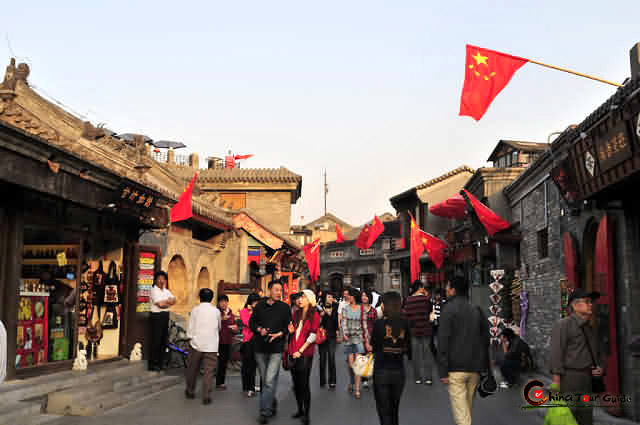
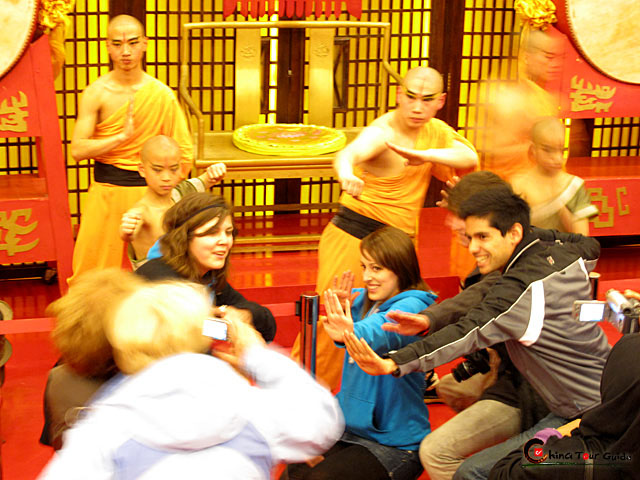
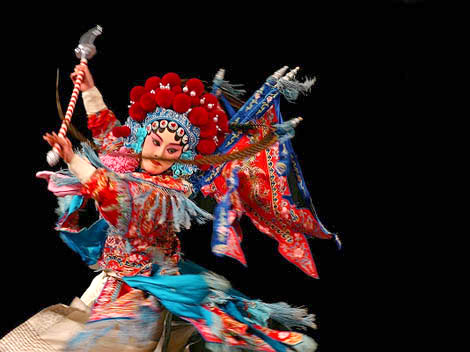
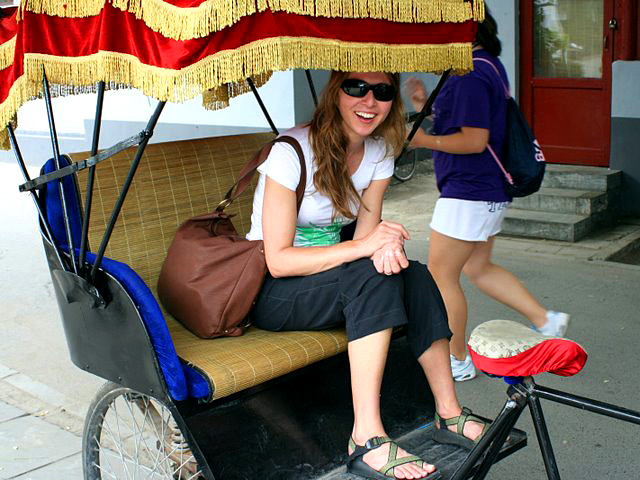
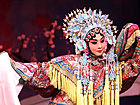 If you are interested in local culture, we would strongly recommend that you allow time to experience "old Beijing" by voyaging into the city's Hutongs, ancient streets and teahouses. Nanluoguxiang, as the representation of Hutongs in Beijing, is famous and popular among the tourists. Watching Beijing Opera (Peking opera) or Beijing Acrobatic Showor or Kung Fu Show
in the theater is also a good choice to get more understanding of the traditional culture of China.
If you are interested in local culture, we would strongly recommend that you allow time to experience "old Beijing" by voyaging into the city's Hutongs, ancient streets and teahouses. Nanluoguxiang, as the representation of Hutongs in Beijing, is famous and popular among the tourists. Watching Beijing Opera (Peking opera) or Beijing Acrobatic Showor or Kung Fu Show
in the theater is also a good choice to get more understanding of the traditional culture of China.
Taste Beijing Cuisine
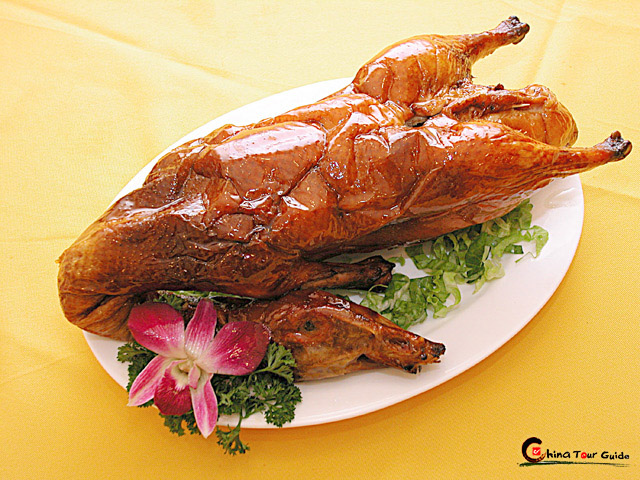
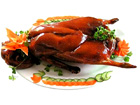 Beijing cuisine offers a number of unique dishes, mostly from the Qing Dynasty. Some of the most famous Beijing dishes include: Beijing Roast Duck, Imperial Court Feast, Beijing Hot Pot, and barbecued meat. Besides, you have a chance to learn how to make delicious Chinese dumplings by yourself. Moreover, as the capital of China, Beijing gathers various world-famous food and cuisines of different countris, waiting for your trying.

Beijing Local Tours
 from $50
 from $219

 from $314

Guide for China tour, offers most value & amazing experience. In China, you can rely on us
Copyright © 2001 - 2026. All Rights Reserved to ChinaTourGuide.Com
Hotel Guangzhou | Guizhou Tours | Hong Kong Hotels | 香港酒店 | 广州酒店 | 广州会议酒店 | Indochina Tour
Guide for China tours, offers most value & amazing experience. Chinatourguide.com. Your reliable China tour agency.