Local Suzhou Tours
Tiger Hill
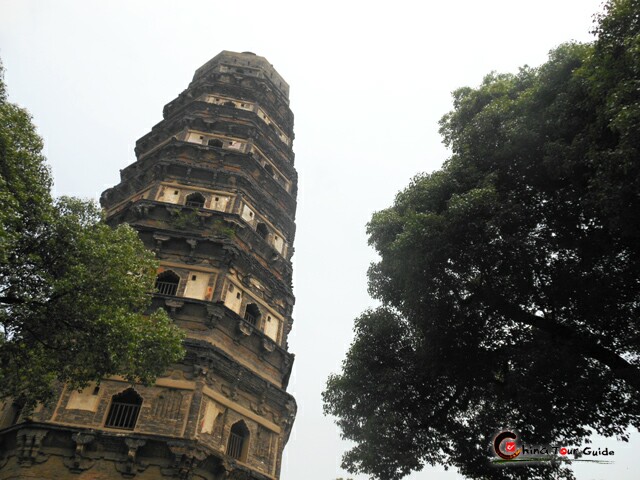
The Tiger Hill (in Chinese: Huqiu), is the most famous scenic spot of Suzhou standing to the north west of Suzhou.
It was the place where the King of "Wu" (a small state in the Spring and Autumn Periods nearly 2500 years ago), Fu Chai, buried his father-King He Lu along with 3,000 swords. Legend says that on the third day after the burial, a white tiger appeared to guard the tomb, hence the name of the hill.
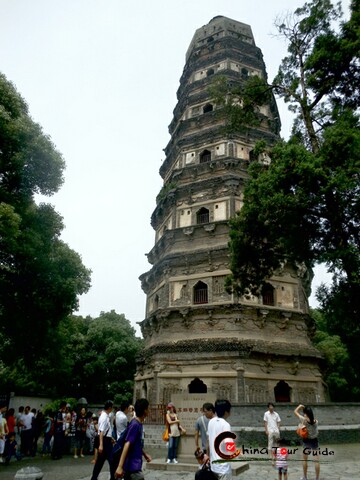
The Yunyan Pagoda, also known as the Leaning Pagoda, stands on top of the hill. Today this 1000-year-old pagoda has become a symbol of Suzhou. It is seven stories in height and famously leans much the Leaning Tower of Pisa. In fact this pagoda both predates and is taller than the Leaning Tower of Pisa.
 |
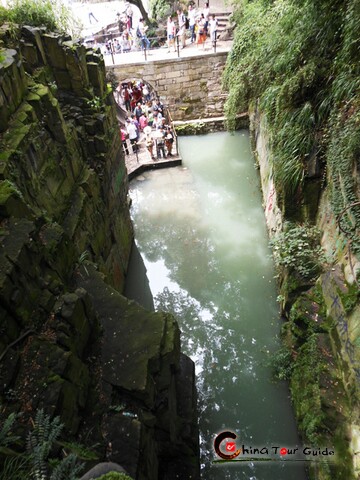 |
| Yunyan Pagoda, Leaning Tower of China | Sword Pool where treasured swords of the king was burid |
Another attraction at Tiger hill is the Sword Pool (in Chinese Jianchi). King He Lu was a famous warrior and sword collector who was buried here. The Sword Pond is said to hold He Lu's treasured swords in its watery depths. But the site has never been excavated because the Leaning Pagoda's foundations rest on it.
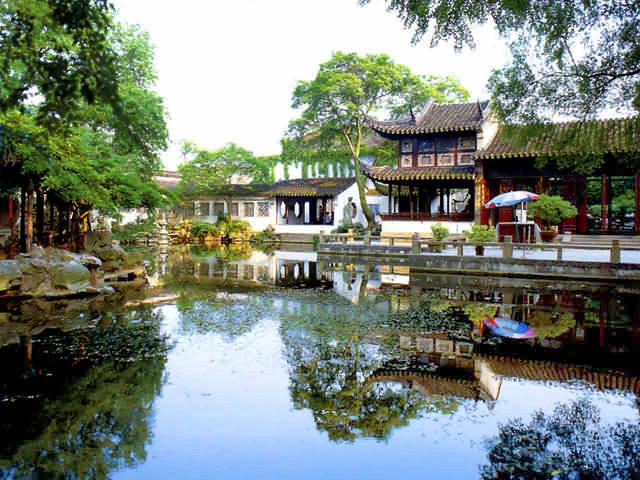
Last, but certainly not least, the Wangjing Villa (Wanjing Shanzhuang) is one of Huqiu's most interesting spots. Wanjing Villa is a garden of potted landscapes and "bonzai-style" shrubs, covering an area of about 1700 square meters (half and acre). Some of the potted landscapes are quite small and some are not potted at all, but are small displays set up like miniature Suzhou gardens. All are intended to evoke images of magnificent mountains and forest scenery.
 |
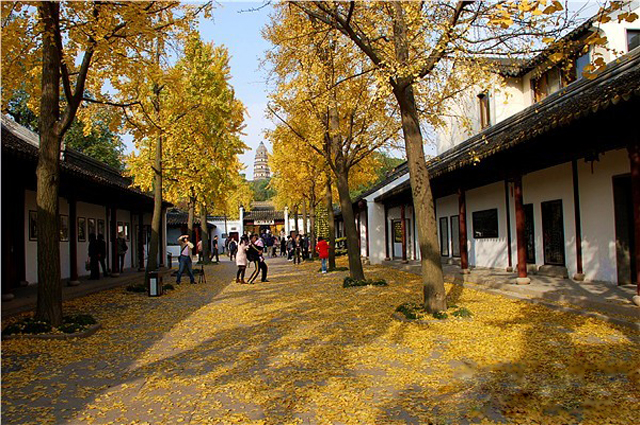 |
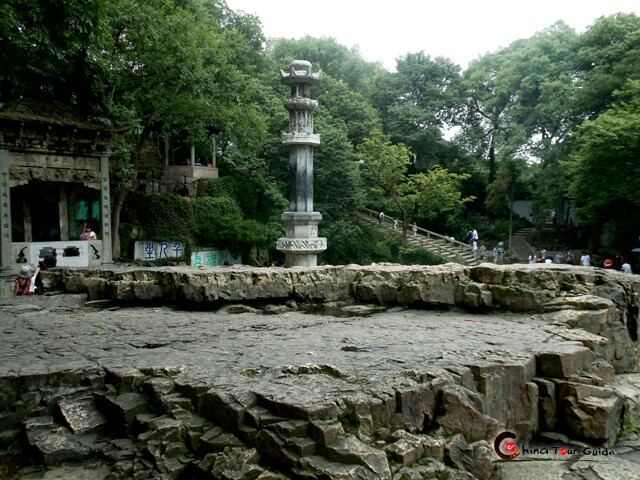
| Sword Pool | Tiger Hill in autumn |
Suzhou Attractions
 Please click " Please click " " to add the attraction in you favorite list, let us plan a private Suzhou Tour for you. " to add the attraction in you favorite list, let us plan a private Suzhou Tour for you. |
Recommended China Tours with Suzhou
|
||||||
|
||||||
|
||||||
|
||||||
|
||||||
|
||||||

Guide for China tour, offers most value & amazing experience. In China, you can rely on us
Copyright © 2001 - 2025. All Rights Reserved to ChinaTourGuide.Com
Hotel Guangzhou | Guizhou Tours | Hong Kong Hotels | 香港酒店 | 广州酒店 | 广州会议酒店 | Indochina Tour
Guide for China tours, offers most value & amazing experience. Chinatourguide.com. Your reliable China tour agency.