

Beijing Weather


- Thanks for arranging our wonderful 28 day holiday to China in September. The blend of your arrangements and the few customised stops that we added with extra days, worked very well for us. All the agents did a good job and we thank them all.
-- From Mr. Jones - Indeed we thoroughly enjoyed our trip to China and came back with very fond and delightful memories of the trip. We were very impressed with the quality of service provided by China Tour Guide. With military precision your English speaking Tour Guides and private car drivers were aavailable at each and every airport and cruise embark and disembark points, holding our names in their hands. They helped us at the airports by getting us boarding cards and at tourist sites by organising tickets etc.
-- From Ms. Kirpalani - >>Read More Reviews
| Follow Us and Share on: |


 |
Hutong History
The history of hutongs can be traced back to Yuan Dynasty (1271 - 1368). The term "hutong", originally meaning "water wells", appeared first during the Yuan Dynasty, and it is believed to be a term of Mongol language origin.
In the Ming Dynasty (1368-1644), the center was the Forbidden City, surrounded in concentric circles by the Inner City and Outer City. Citizens of higher social status were permitted to live closer to the center of the circles. Aristocrats lived to the east and west of the imperial palace. The large siheyuan of these high-ranking officials and wealthy merchants often featured beautifully carved and painted roof beams and pillars and carefully landscaped gardens. The hutongs they formed were orderly, lined by spacious homes and walled gardens. Farther from the palace, and to its north and south, were the commoners, merchants, artisans, and laborers. Their siheyuan were far smaller in scale and simpler in design and decoration, and the hutongs were narrower
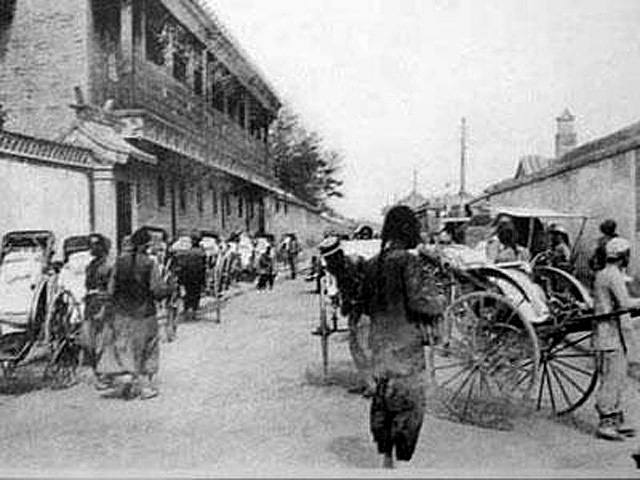 |
| Hutong has seen the development of Chinese history. |
Up to the year of 1949, Beijing had 6074 streets and alleys with names; 1330 of them were hutongs; 274 were streets and 111 were alleys. Customarily, those streets and alleys are all classified as hutongs by people.
In Beijing, you will see the hutongs intervene vertically and horizontally which form the unique and traditional sightseeing of Beijing. Hutongs are the home of the Beijing locals, and that's why the Beijingers have deep emotion to hutongs.
Top Beijing Attractions
-
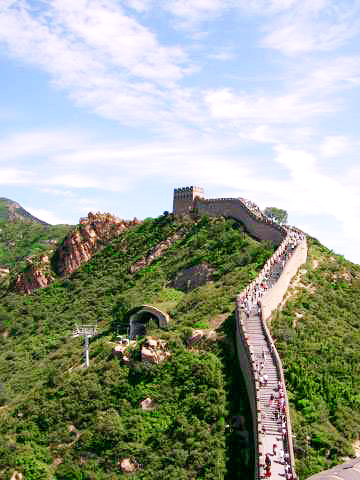
 Badaling Great Wall: This is the best-preserved and most imposing section of the Great wall is approximately 3,741 meters(2.3 miles) long and was of great strategic importance in ancient times.
-
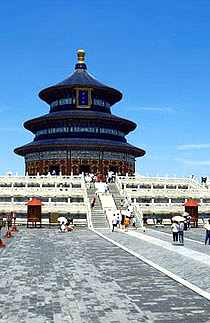
 Temple of Heaven: This temple complex is an architectural wonder featuring the triple-roofed "Hall of Prayer for Good Harvest" where the emperor went to worship heaven and pray for the coming harvest.
-
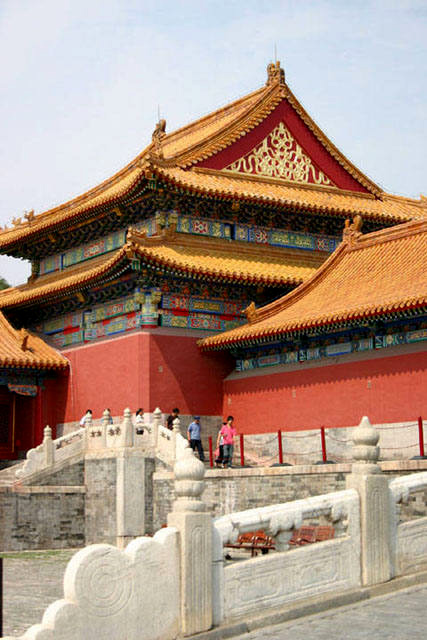
 The Forbidden City: One of the world's most beautiful architectural complexes, this served as China's imperial palace for almost five centuries. Its massive scale and majestic design are overwhelming.
-
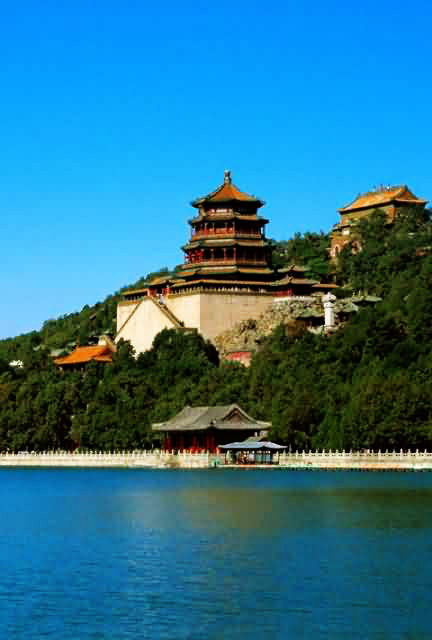
 Summer Palace: Once serving as the imperial summer getaway, it ranks as one of the most visited and most classical gardens in the world. It's size and splendor will leave you a lasting impression.
| Other Attractions List | |||||||
 Please click " Please click " " to add your favorite attraction in the list, let us plan a private Beijing Tour for you. " to add your favorite attraction in the list, let us plan a private Beijing Tour for you. |
|||||||
| If you want to
see more pictures about Hutong, please click here. |
Recommended China Tours with Beijing
|
||||||
|
||||||
|
||||||
|
||||||
|
||||||
>> More
China Tours More
China Tours |
||||||


Guide for China tour, offers most value & amazing experience. In China, you can rely on us
Copyright © 2001 - 2026. All Rights Reserved to ChinaTourGuide.Com
Hotel Guangzhou | Guizhou Tours | Hong Kong Hotels | 香港酒店 | 广州酒店 | 广州会议酒店 | Indochina Tour
Guide for China tours, offers most value & amazing experience. Chinatourguide.com. Your reliable China tour agency.